
Set Clear Goals And Budget
Break Down Trip Costs

- Travel
- Lodging
- Meals
- In-country transport
- Visas and vaccinations
- Project materials
- Liability and medical insurance
- Fundraising fees
- Training materials
- Contingency fund
Price each item with unit costs and quantities so you can show donors exactly where their money goes. That level of detail makes your ask credible and keeps the team accountable.
Make the budget a living document, not a PDF. When you move from spreadsheets to a church management app you reduce duplicate work, keep participant payments and donor records linked, and make reporting faster for leaders and donors.
Set Per-Person And Team Targets
Turn the total budget into clear targets. Start with a per-person base cost, then add shared team expenses like staff or equipment so you can show both individual and team goals. Decide how much, if any, the church will subsidize and whether you’ll offer scholarships.
Give each participant a realistic fundraising target and a suggested mix of strategies, like personal gifts, small events, and online pages. Publicly tracking progress builds momentum, and split goals help people feel ownership without guesswork.
Build A Timeline And Contingency

Create a timeline with milestones: deposits, fundraiser dates, passport and vaccine deadlines, final payments, pre-trip training, and post-trip reporting. Assign owners and set automated reminders for deadlines so nothing slips.
Plan a contingency of 5 to 15 percent of the total budget, and name the risks you’ll cover, like flight changes, currency swings, or shortfalls. Decide in advance how you’ll reassign funds if a donor gives to a restricted line item. Clear timelines and contingencies calm donors and make your team look prepared.
Map Your Donor Audience

Engage Church Members And Small Groups
Your first supporters are already in the pews. Equip pastors and small group leaders to champion the trip with short testimonies and clear asks. Use segmented messaging so high-engagement groups get different asks than occasional attenders.
Segmenting and messaging become manageable when your backend is organized. Church management software helps you target emails, track who’s been asked, and follow up without guessing who responded.
Approach Family, Friends, And Alumni
Personal asks work best here. Encourage each team member to prepare a short, honest pitch and a list of 20 people to contact by phone, text, or coffee visit. Host small house gatherings or a virtual meet-and-greet to let supporters meet the team and ask questions.
Offer easy giving paths, like peer-to-peer pages and clear instructions for checks or transfers. Make it clear how gifts are used and how donors will receive updates.
Target Local Businesses And Community Partners
Create sponsorship packages that offer simple, meaningful benefits like logo placement, public thank-you at events, or social media shout-outs. Start with small businesses where personal relationships exist, then expand to larger partners that align with your mission.
Remember in-kind support counts. Building a relationship with a business can yield materials, venue space, or volunteer support, not just checks.
Identify Organizations That Donate Money
Research denominational grants, local foundations, service clubs, and mission boards that fund short-term mission work. Match their priorities before you apply. Prepare a one-page proposal with purpose, measurable outcomes, budget, and references.
Treat grant applications as relationship work. Follow guidelines, meet deadlines, and send prompt thank-you and outcome reports when you receive funds.
Craft A Compelling Ask
Explain Purpose And Community Impact
Start with the problem your team will address and the local partner you’ll work through. Donors give to impact, not activity. Explain what success looks like with specific outcomes, like number of homes repaired, students taught, or wells maintained.
Tie budget lines to outcomes so donors see how a dollar translates into impact. That connection raises trust and increases giving.
Share Personal Stories And Outcomes
Use short, real stories from past trips or from local partners. Let a team member talk about why they’re going and what transformation they expect for both hosts and volunteers. Include measurable follow-up like attendance numbers, test scores, or photos with consent.
Plan how you’ll report back. A simple post-trip report or video keeps donors invested and makes them more likely to give again.
Create A Clear Call To Action
Every message needs one ask, phrased simply. Tell people exactly how much you need, where to give, and when funds are due. Offer multiple giving options and a next step, like signing up for updates or attending an info night.
Make stewardship part of the plan. Promise consistent updates and follow through with thank-you notes and outcome reporting so donors feel valued, not ignored.
Choose Fundraising Platforms
Compare Crowdfunding Options Like GoFundMe
Crowdfunding platforms make sharing easy and provide social proof through donor comments and public goals. Compare fees, payout timelines, and the speed of donor checkout. Some platforms are better for individual pages, others for team campaigns.
Match the platform to your audience. If your supporters live online and share widely, a crowdfunding page can create momentum. If donors prefer giving through the church, combine approaches.
Use Church Giving Tools And Integrations
Church giving platforms that integrate with your church management app let you track pledges, recurring gifts, and contribution statements in one place. That reduces manual reconciliation and makes follow up straightforward. Donors often trust giving through the church more, and integrated tools make year-end receipts and reporting simple.
Pick a giving path that keeps donor data clear, so your team can say thanks, send updates, and show impact without digging through multiple systems.
Pick Free And Low Cost Platforms
Don’t overlook low-fee options like direct bank transfers, Zelle, Venmo, or in-person offerings at events. Social channels and Facebook fundraisers can be free and reach friends quickly. Use a mix so donors can choose what’s convenient.
Track every gift in one place, even if it arrives by cash. That protects transparency and keeps your reporting clean for donors and leaders.
Run High-Impact Fundraisers
Host Food Sales And Community Meals
Food brings people together and it sells. Pick simple menus that scale, price items to cover food cost plus a margin, and pre-sell tickets to guarantee income and reduce waste. Use church space after service, invite the whole neighborhood, and offer a short presentation about the trip so guests feel connected to the cause. Track volunteers, inventory, and cash with a single spreadsheet or, better, your church systems so reconciliation is quick and transparent.
Run Active Challenges And Peer Events
Fitness challenges, walk-a-thons, and team tournaments turn supporters into fundraisers. Charge a registration fee and add a peer-to-peer layer so participants solicit sponsors from their networks. Create teams, set public leaderboards, and offer small prizes to boost participation. Keep safety plans, waivers, and route logistics clear, and use simple online registration to reduce friction.
Sell Merchandise And Service Fundraisers
Branded T-shirts, wristbands, cookbooks, or locally made crafts give donors something tangible. Offer pre-orders to limit inventory risk and bundle items with digital thank-you gifts like photo updates. Service fundraisers, like car washes, yard work, or babysitting nights, convert volunteer time into income and deepen local relationships. Price services with clear labor estimates and promote them across your congregation and social channels.
Partner With Local Businesses And Sponsors
Create sponsorship tiers with benefits that matter, like logo placement, shout-outs at events, or a featured post on social media. Ask restaurants to host a percent-giveback night, or local stores to donate auction items. Don’t overlook in-kind partnerships for supplies, venue space, or transportation, those reduce your budget needs. Keep sponsorship agreements short, confirm deliverables, and publicly thank partners so relationships continue.
Leverage Grants And Matching Gifts
Find Mission Trip Grants
Target grants that match your trip’s focus, whether construction, medical outreach, or education. Look at denominational mission boards, local community foundations, service clubs, and niche Christian foundations. Prepare a one-page proposal that states the purpose, measurable outcomes, budget, and timeline, and gather a letter of support from your in-country partner. Track deadlines and requirements in one place so applications don’t slip through the cracks.
Use Employer Matching Gift Programs
Many donors can double or triple their contribution with employer matches, but they need the instructions. Ask team members and key supporters to check their employer’s matching program and share the process. Provide donation receipts and a point person to submit verification forms. Promote matching as a way donors can multiply impact, and include matching prompts on your giving page and event materials.
Apply To Free Organizations That Donate
Some nonprofits and faith-based groups provide in-kind support or small grants for short-term teams, especially for medical supplies, tools, or educational materials. Research organizations aligned with your project, prepare a focused request explaining what you need and how it will be used, and offer to pick up or cover shipping if feasible. In-kind donations cut costs and let donors see their gifts turned directly into ministry.
Mobilize Church Volunteers
Recruit Fundraising Captains
Identify people who are organized, relational, and enthusiastic, then give them clear roles and targets. A fundraising captain owns a neighborhood, a volunteer team, or a specific fundraiser. Keep responsibilities concrete, like recruiting five volunteers, running one event, or hitting a specific dollar target. Small teams with clear ownership move faster than large, undefined committees.
Train Volunteers To Ask And Host Events
Equip volunteers with a short script, talking points about impact, and sample social posts. Run a quick role-play so everyone feels comfortable making a direct ask and handling common objections. Train volunteers on event logistics, cash handling, and how to register gifts so you don’t lose donations to poor follow-up. Make materials bite-sized and repeat the training before every major fundraiser.
Coordinate Small Group Campaigns
Small groups are natural fundraising units. Challenge groups to adopt a team member, host a fundraiser night, or compete in a giving challenge. Give each group a tracker and a clear deadline, then celebrate progress publicly to build momentum. Use your church’s group lists and communication tools to assign responsibilities and keep everyone accountable, so campaigns run without extra admin work.
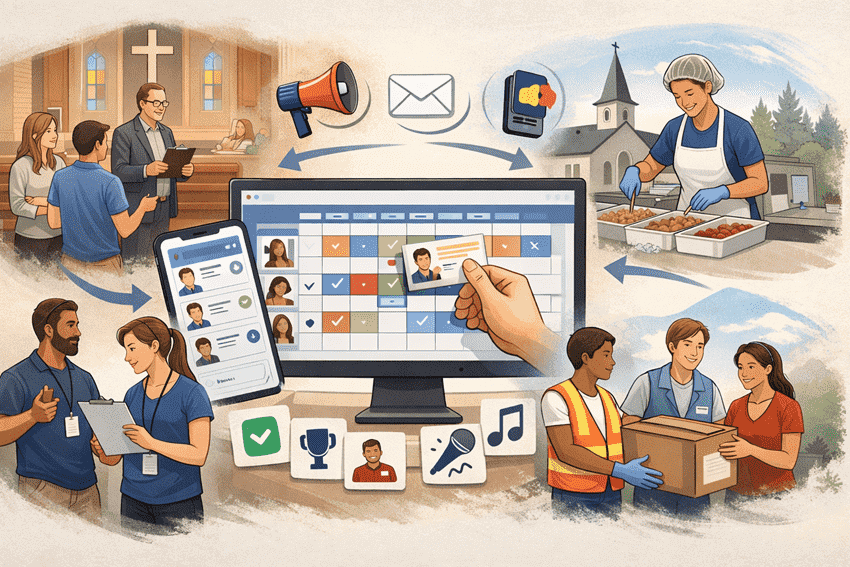
Note: tools like the ChMeetings church management app can help you assign volunteer roles, send segmented messages, and track group giving without juggling spreadsheets.
Launch A Donor Communication Plan
Build A Giving Page And Messaging
Create a focused giving page with a clear headline, one-line impact statement, suggested gift levels tied to outcomes, and an easy donate button. Include a short budget link and a team photo so donors know who they’re supporting. Make the page mobile friendly and provide automatic receipts and acknowledgement text so donors feel seen immediately. If you use integrated tools, connect the page to your church giving records for clean reporting.
Use Email, Social, And Text Outreach

Segment your audience and tailor the ask: a short personal email for close supporters, a story-led post for social channels, and a brief SMS for urgent reminders. Schedule a steady cadence, for example an initial launch, a mid-campaign progress update, and a last-call message. Use photos or a 60-second video to make the need real, and always include a single, clear call to action.
Follow Up And Share Progress Reports
Send an immediate thank-you and a donation receipt, then follow up with regular progress updates that show dollars raised, project milestones, and stories from partners. After the trip, publish a concise report with outcomes, photos, and a simple financial summary that shows how funds were used. Plan stewardship in advance, invite donors to a post-trip meeting, and keep them engaged for future work so their generosity turns into ongoing partnership.
Note: linking your giving page and donor records to your church management software reduces manual receipts and makes follow-up faster and more personal.
Manage Donations And Compliance
Track Donations, Fees, And Refunds
Record every gift the moment it arrives, including source, designation, date, and payment method. Separate unrestricted gifts from designated trip funds so you can report accurately. Track processing fees by platform and show net amounts on internal ledgers. Build a simple refund policy up front, log refunds with reason codes, and give donors clear expectations about timelines. Using a single church management system for gifts, fees, and participant payments prevents double entry and speeds reconciliation.
Issue Receipts And Tax Documentation
Send an automatic acknowledgement for every gift, even small ones. Your receipt should include donor name, date, amount, designation, and a statement about goods or services provided, if any. For larger gifts, provide a donor letter on church letterhead with EIN and a plain description of how funds will be used. Keep copies of all receipts and donor communications for at least seven years, and be ready to produce them if a donor asks or an auditor requests documentation.
Reconcile Funds And Disbursements
Reconcile bank deposits to gift records weekly during active fundraising, monthly otherwise. Match online platform payouts to your giving ledger and note timing differences. When sending funds to partners or paying vendors, create a disbursement log that links approvals, invoices, and receipts. Get two approvals for any transfer above your church’s threshold and keep audit trails for every transaction. Regular reconciliation protects donors and keeps leadership confident.
Track Key Fundraising Metrics
Track these numbers regularly so you know what’s working: total raised, average gift size, donor count, percentage of target reached, cost to raise a dollar, and donor retention. Monitor channel performance, like online pages, events, and direct asks, so you can shift effort mid-campaign. Dashboards that pull giving, attendance, and communications together make decisions faster. Metrics turn hope into action, and they help you tell a clear story to donors and leaders.
Step-By-Step Fundraising Playbook
Plan: Goal Setting And Calendar
Translate your budget into a public fundraising goal with milestones, deadlines, and a contingency amount. Map major asks and events onto a calendar, including deposit deadlines and donor reporting dates. Work backward from travel dates so you avoid rushed payments and last-minute borrowing. Assign owners for each deadline and set automated reminders so human memory doesn’t become the plan.
Recruit: Roles And Responsibilities
Decide who does what before you ask anyone to volunteer. Typical roles: campaign lead, communications coordinator, finance steward, volunteer manager, and on-the-ground trip leader. Give each role measurable deliverables, like “raise $5,000” or “recruit 10 volunteers.” Keep teams small, with clear escalation paths. When people know their lane, momentum builds.
Launch: Outreach And Events
Open with a focused launch that includes a giving page, an info session, a launch email, and social posts. Use a mix of personal asks, small group pitches, and one or two public events to create visibility. Offer suggested gift levels tied to outcomes, like “$25 = school supplies for one child.” Keep your messaging consistent and repeat the ask in different formats so it lands.
Run: Day-Of Operations And Tracking
On event days, centralize check-in, cash handling, and on-the-spot giving options. Use volunteers trained in receipts and donor capture. Keep a live tracker of progress so you can announce milestones and create urgency. After each activity, log results, tally expenses, and capture donor contact info for follow up. Quick post-event reconciliation keeps the campaign credible.
Steward: Thanking And Impact Reporting
Say thank you within 48 hours, then follow up with a short impact update during the campaign and a full post-trip report. Include photos, outcomes tied to your original goals, and a simple financial summary. Invite donors to a recap night or short video so they can meet the team and see results. Stewardship turns one-time donors into long-term partners.
Templates And Checklists
Mission Trip Fundraising Letter Template
Open with a brief story that illustrates the need, then state the mission, dates, and local partner. Give the total goal, per-person target, and a concrete call to action with giving options. Close with gratitude and contact details for questions. Keep it personal, one page, and easy to adapt for emails or printed letters.
Donor Thank You And Update Emails
Thank-you email, 48 hours after gift: one-line gratitude, amount and designation, what will happen next, and contact info. Mid-campaign update: current dollars raised, one short story or image, upcoming events, and how donors can help share. Post-trip report email: outcomes measured against goals, photos with consent, a brief finance summary, and an invitation to stay involved.
Event Planning And Budget Checklist
Venue booked and deposit paid, permits and insurance arranged, volunteer roster and roles confirmed, supply list with cost estimates, ticketing or registration set up, communication plan scheduled, cash handling procedures in place, post-event reconciliation and thank-you plan ready. Use the checklist before and after every event so nothing slips.
Sample Budget Spreadsheet Template
- Income section: individual fundraising, event revenue, grants, sponsorships, in-kind donations, contingency.
- Expense section: travel, lodging, meals, local transport, visas, insurance, materials, event costs, fees.
- Per-person breakout: allocated shared costs and individual travel costs.
- Running totals: percent of goal, remaining needed, cost-to-raise ratio.
Keep formulas simple so everyone can read the sheet. Save versions with dates so you can show contributors how numbers changed.
Avoid Common Fundraising Mistakes
Neglecting Donor Stewardship
Donor acquisition is only half the work. If you don’t thank and report back, donors won’t give again. Build stewardship into your timeline with automated receipts, personal notes from team members, and a post-trip impact story. Small acts of gratitude keep relationships alive.
Relying On One Channel Only
Don’t expect one platform to reach every supporter. Mix personal asks, small events, social sharing, email, and in-person appeals. If social momentum stalls, a house meeting or targeted email can revive interest. Diversifying channels reduces risk and expands your reach.
Lacking Transparency Or Accountability
Vague budgets and missing receipts erode trust fast. Be clear about how funds will be used, who approves spending, and how donors can see results. Regular reconciling, published summaries, and a named finance contact demonstrate accountability. Transparency protects your ministry and makes it easier for leaders to say yes next time.
FAQs
How Can Churches Fundraise For Mission Trips?
Start with a clear goal, timeline, and per-person breakdown so every ask is specific. Use a mix of personal asks, small group campaigns, public events, and online pages to reach different donors. Engage volunteers as fundraising captains, give them scripts and measurable targets, and celebrate progress publicly to build momentum. Seek grants and local business sponsorships that match your project, and combine cash with in-kind donations to stretch the budget. Keep donor data and receipts organized so follow-up and reporting are fast and accurate.
What Free Fundraising Options Are Available?
Free options rely on people and platforms, not budget. Use social media posts, Facebook fundraisers, church announcements, email and text campaigns, and peer-to-peer sharing to spread the word. Host donation-based gatherings at church where the space is free, run service fundraisers like car washes, or offer skill swaps where volunteers trade time for donations. Ask local businesses for in-kind support instead of cash, and lean on small groups to run low-cost challenges and house meetings. Track every gift, even cash, so free efforts still show measurable impact.
Which Organizations Donate Money For Mission Trips?
Look first to your denomination’s mission board and affiliated ministries, they often fund short-term teams. Local community foundations, service clubs like Rotary or Lions, and faith-based grantmakers are good next steps. Some national Christian charities and mission agencies offer small grants for specific fields, like medical or education outreach. Corporate giving and local businesses sometimes sponsor teams that serve their communities. Match your request to the funder’s priorities and provide a concise proposal and a letter of local partner support.
How Do I Write A Mission Trip Fundraising Letter?
Keep it one page and personal. Open with a short story or need, name the trip purpose, dates, and local partner, then state your financial goal and per-person target. Explain exactly how donations will be used and offer clear giving options and a deadline. Close with heartfelt thanks, contact details, and a handwritten signature if it’s printed. Add a PS with a simple, specific ask, for example a $50 gift’s impact, and personalize each letter so it reads like a one-to-one ask.
Can I Use GoFundMe For A Mission Trip?
Yes, GoFundMe is convenient and shareable, and it creates public momentum through updates and comments. Consider fees and payout timing, and know that donors may not receive tax receipts unless funds route through a registered nonprofit. If your church prefers to accept gifts on its giving platform for tax and bookkeeping reasons, offer both paths: a GoFundMe for viral reach and a church giving option for donors who need receipts. Be transparent on any platform about fees, budget, and how you’ll report outcomes.
What Grants Support Mission Trips?
Grants that support mission trips include denominational mission grants, local community foundation funds, small faith-based foundations focused on health, education, or development, and thematic funds for disaster response or youth service. Corporate foundations sometimes back community service projects. When applying, align your proposal with the grantor’s mission, include measurable outcomes, attach a partner letter, and submit a realistic budget and timeline. Track deadlines and maintain a simple grant calendar so opportunities don’t slip by.
How Do Matching Gifts Work?
Matching gifts let an employer multiply a donor’s contribution by submitting a match request to the charity. Usually the donor initiates by completing an online form or contact with HR and supplying the church’s donation receipt. Matches vary by employer, some have minimums or annual caps, and some match volunteer hours as grants. Make it easy for supporters by posting step-by-step match instructions and providing prompt verification letters. Track pending matches separately so your campaign reflects the gift once the employer pays.
How Should We Thank Donors And Report Impact?
Thank donors immediately with an automated receipt, then follow up within 48 hours with a personalized note or phone call for major gifts. During the campaign send short progress updates and one or two stories that show momentum. After the trip deliver a concise impact report that ties outcomes to your original goals, includes photos with consent, and shows a simple financial summary. Invite donors to a recap event or video, and keep them on a stewardship list for future opportunities. Use your church’s giving and people systems to automate receipts, record contacts, and maintain the relationship so donors feel seen and asked again.