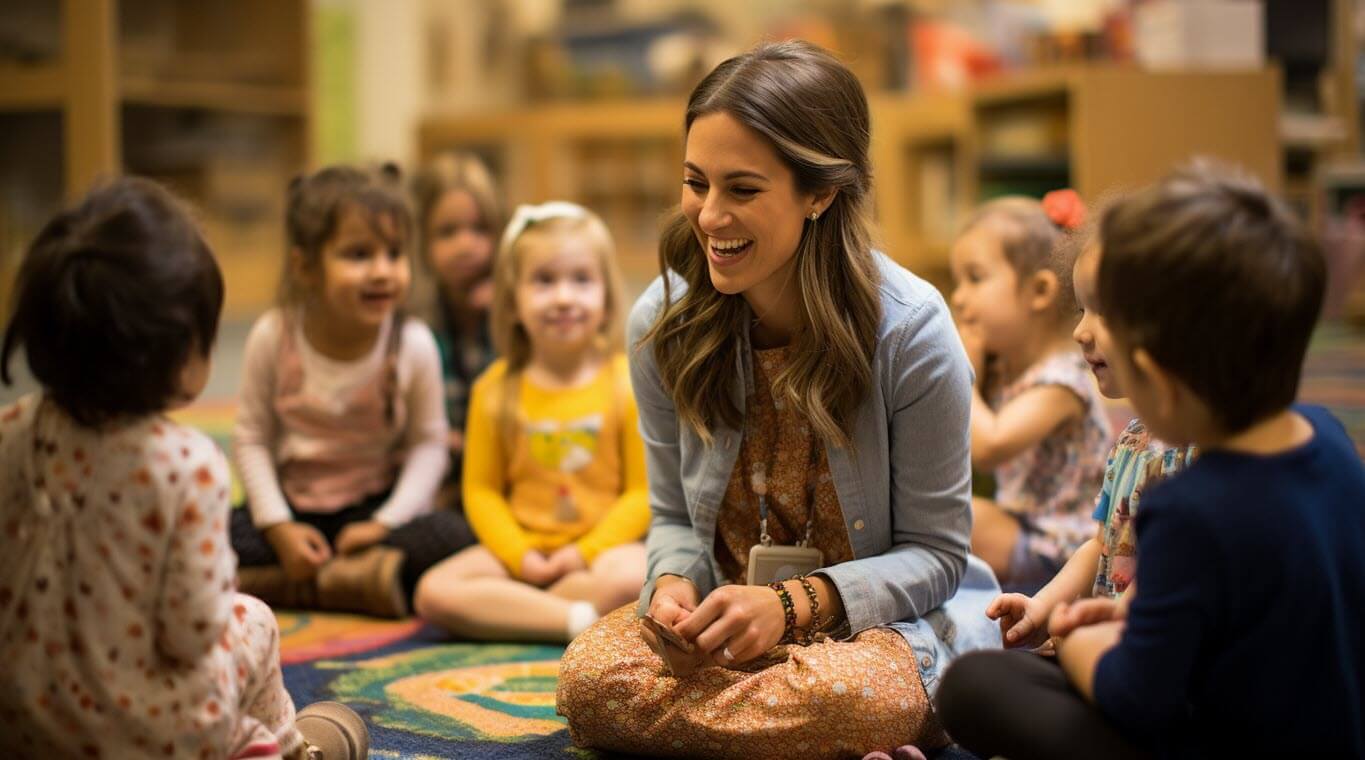

I have spent more Sunday mornings than I can count kneeling on classroom carpet, herding wiggly kids through games that were supposed to teach a Bible lesson. Some flopped. Many worked better than any worksheet I ever handed out. Over the years I learned that the right Sunday school games do not just burn off energy. They turn a story into an experience a child actually remembers. This guide pulls together the games, age adaptations, and safety habits I rely on, organized so you can find the right one whether you have a full lesson plan or three unexpected minutes to fill.
- Why Sunday School Games Matter
- Top 10 Active Sunday School Games
- Calm and Quiet Games for Reflection
- No-Prep Games for Last-Minute Classes
- Outdoor Bible Games for Groups
- Games that Foster Teamwork and Communication
- Adaptability: Modifying Games for All Ages
- Safety Considerations for Sunday School Games
- Frequently Asked Questions
- Why Sunday School Games Matter
- Top 10 Active Sunday School Games
- Calm and Quiet Games for Reflection
- No-Prep Games for Last-Minute Classes
- Outdoor Bible Games for Groups
- Games that Foster Teamwork and Communication
- Adaptability: Modifying Games for All Ages
- Safety Considerations for Sunday School Games
- Frequently Asked Questions
Why Sunday School Games Matter
Games are not filler between the “real” teaching. In my experience they often are the teaching. A child who acts out the walls of Jericho falling remembers it in a way a lecture never achieves.
The Importance of Fun in Learning
Children learn best when they are enjoying themselves, and the research backs the instinct. According to Edutopia, a majority of educators agree that games meaningfully boost engagement during lessons. When a child laughs, their guard drops and their attention sharpens. Fun is not the opposite of serious learning. For kids, it is often the doorway to it.
Fostering Community Through Play
Play builds bonds that lessons alone cannot. When kids compete, cooperate, and giggle together, friendships form and the room becomes a place they want to return to. One educator captured why this matters so much.
“Simply put, children learn from the people they love. And love is the result of getting to know one another, it’s the result of relationship. Before our kids come to know Jesus, they just might need to know us first.” – David Rausch, educator
That relationship-first truth shapes how I run every class. Games are one of the fastest ways to build it.
Games as Learning Tools
A well-chosen game cements Scripture in memory. Some research suggests activities like Bible trivia can lift retention of information noticeably, and structured play supports children’s emotional development too. Yet less than a tenth of church programs reportedly build structured play into their curriculum, which tells me there is real room to teach better simply by playing on purpose. For a wider look at running these programs well, this comprehensive guide to Sunday schools is a helpful companion to the games below.
Top 10 Active Sunday School Games
High-energy games are perfect for the start of class or when the wiggles take over. Each of these can carry a biblical lesson and adapt up or down by age. I have grouped the five I reach for most, with quick variations to round out your ten.
1. Balloon Grab
Scatter balloons with Bible references inside and let kids grab one, then look up and read the verse aloud. It ties physical scramble to scripture learning. For younger children, write a single word inside instead of a reference.
2. Elephant Stampede
Kids crawl across the room on hands and knees in a “stampede” toward a goal, great for the story of creation and God’s animals. Add a memory verse checkpoint they must recite to advance, which works well for older kids.
3. Angry Ping-Pong
Teams blow ping-pong balls across a table into a goal, a calm-energy favorite. I tie it to teamwork lessons on the body of Christ working together. Younger kids can simply roll the ball by hand.
4. Sock It to Me
Kids toss rolled socks into baskets labeled with lesson themes such as faith, hope, and love, naming the theme as they score. It reinforces vocabulary while moving. Shorten the throwing distance for preschoolers.
5. Cotton Nose
Using petroleum jelly on the nose, kids transfer cotton balls to a bowl, a hilarious icebreaker. I link it to lessons on perseverance. For teens, turn it into a timed relay between teams.
Calm and Quiet Games for Reflection
Not every moment calls for chaos. These low-movement games settle a room and fit naturally inside a lesson or reflection time.
1. Mystery Bag
Place an object tied to the day’s story in a bag and let kids feel and guess it before you reveal the lesson. The suspense draws them in without raising the energy. It is one of my go-to openers for a new Bible story.
2. Bible Stories Guess Who?
Describe a biblical figure with a few clues and have kids guess who it is. It rewards listening and reinforces the people of Scripture. Add harder clues for older groups and picture cards for the youngest.
3. Name the Book
Call out a famous verse or event and have kids name the book of the Bible it comes from. This quietly builds scripture literacy. For beginners, narrow it to a list of five books to choose from.
No-Prep Games for Last-Minute Classes
Some Sundays you walk in with no plan and no supplies. These games need nothing but the kids in the room, and they still reinforce the lesson.
1. A Cold Wind Blows
Kids sit in a circle and the leader says “a cold wind blows for anyone who…” naming something true, like “loves Jesus” or “has a sister.” Everyone it applies to swaps seats. It surfaces fun facts and builds connection fast.
2. Human Knot
The group joins hands in a tangle and works together to unravel without letting go. I use it to teach patience and the value of community, since the knot only loosens when they cooperate.
3. Pass the Book
Pass a Bible around a circle while music plays. When it stops, whoever holds it reads or recalls a verse. It keeps everyone alert and puts Scripture in their hands literally.
Outdoor Bible Games for Groups
Open space and larger classes call for bigger games. Outdoor play builds group dynamics and lets you teach scripture through full-body teamwork. Before you start, scan the area for hazards, set clear boundaries, and make sure you have enough adults to supervise.
1. Bible Treasure Hunt
Hide clues around the yard, each leading to the next and tied to a Bible story, with a small “treasure” at the end. It turns a lesson into an adventure. Younger kids do better in pairs with a helper.
2. Relay Race with Scriptures
Teams race to a station, complete a task such as assembling a verse from scrambled word cards, then race back. It blends physical activity with scripture learning, filling a gap many game lists miss.
3. Capture the Flag: Bible Edition
Run the classic game with two teams, but assign each side a biblical “nation” and weave in a story about courage or trust. Keep the field boundaries tight and the rules simple for mixed ages.
Games that Foster Teamwork and Communication
Scripture has a great deal to say about community, and these games let kids feel it rather than just hear it. They depend on communication and trust to work at all.
1. Trust Walk
One child is blindfolded and guided by a partner’s voice through a simple, safe course. It teaches reliance and ties beautifully to walking by faith. Always keep the path free of obstacles and supervise closely.
2. Scripture Charades
Kids act out a Bible story or character while teammates guess. It rewards creativity and cements the narrative. Give younger children a whispered hint and let teens tackle harder, lesser-known stories.
3. Group Storytelling
The group builds a retelling of a Bible story one sentence at a time, each child adding to the last. It strengthens listening and shared ownership of the story. I often use it to review a lesson at the end of class.
Watching how kids handle these games tells me a lot. I look for who includes the quiet child, who listens, and who leads with kindness, and I gently affirm those moments out loud.
Adaptability: Modifying Games for All Ages
The same game can serve a preschooler and a teen if you adjust it well. Tailoring for age and ability is what keeps every child engaged rather than bored or overwhelmed.
Adjusting for Younger Children
Little ones need simpler rules, shorter rounds, and more guidance. Swap reading tasks for picture matching, shorten distances, and lean on repetition. Keep instructions to one step at a time so no one gets lost.
Creating Advanced Variations for Teens
Teens crave challenge and a touch of competition. Add timers, harder scripture references, strategy elements, or leadership roles where older kids run a station. Giving them ownership keeps them invested rather than checked out.
Inclusive Games for Mixed Age Groups
In a mixed room, pair older kids with younger ones and choose games that flex naturally, like charades or storytelling. The goal is that every child, whatever their age or ability, has a real way to take part. Inclusivity is not an afterthought. It is the point.
Safety Considerations for Sunday School Games
A game stops being fun the moment a child gets hurt. A little forethought keeps the energy high and the risks low, and it earns the trust of parents handing you their kids.
General Safety Tips
Choose age-appropriate games, clear the space of hazards, and explain the rules and boundaries before you begin. Keep group sizes manageable and always have enough adults watching. Most injuries I have seen came from skipping these basic steps in a rush.
Material and Equipment Safety
Check that supplies are safe for the age group, with no choking hazards for little ones and nothing that flies hard enough to hurt. Inspect balloons, balls, and props before use, and put anything questionable away. Simple materials are usually the safest choice.
Creating a Safe Playing Environment
Set a clear expectation that games are about fun and kindness, not winning at any cost. Watch for kids getting overheated, overwhelmed, or left out, and adjust on the fly. When children feel physically and emotionally safe, they engage far more freely.
Running a smooth classroom also takes organization behind the scenes, from rosters to volunteer schedules. A platform like ChMeetings helps churches manage attendance, communication, and children’s ministry logistics so teachers can focus on the kids instead of the paperwork. You can get started for free if your current system needs a hand.
Frequently Asked Questions
What are some fun games to play in Sunday school?
Great options include active games like Balloon Grab and Elephant Stampede, calmer choices like Mystery Bag, and no-prep favorites like A Cold Wind Blows. The best game depends on your space, energy level, and lesson, but each can be tied to Scripture so kids learn while they laugh and play together.
How can I adapt games for different age groups?
Match the game to the children’s cognitive and physical development. Younger kids need simple rules, shorter rounds, and more help, while older kids enjoy added complexity, competition, and leadership roles. Adjust distances, reading tasks, and team structures so every child is challenged but never overwhelmed.
What types of games foster teamwork in Sunday school?
Games like Trust Walk, Scripture Charades, and Human Knot are built for teamwork. They require children to communicate, cooperate, and rely on one another, which makes them ideal for teaching biblical lessons about community, trust, and supporting each other as the body of Christ.
Can games be used for Bible lessons?
Yes, and they are one of the most effective teaching tools available. A game like Bible Trivia or a scripture relay turns passive listening into active participation, which strengthens retention. Tie each game directly to your lesson’s story or theme so the fun reinforces the truth you want kids to remember.
What are no-prep games I can quickly use?
A Cold Wind Blows, Human Knot, and Pass the Book need little to no materials and can start in seconds. They are perfect for last-minute classes or filling unexpected time, and they still reinforce relationships and Scripture, so a thin plan never has to mean a wasted morning.
How can I ensure safety while playing games?
Pick age-appropriate games, clear the play area of hazards, and review rules and boundaries before starting. Supervise closely, check that all materials are safe, and watch for children who are overheating or feeling left out. Clear preparation lets kids play freely while you keep them protected.
I still remember the faces of kids who learned that God parted the sea while they raced across a “dry path” between two teammates holding back the “waves.” That is the quiet power of these games. Pick one that fits your lesson this week, play it with joy, and let the fun do the teaching alongside you.