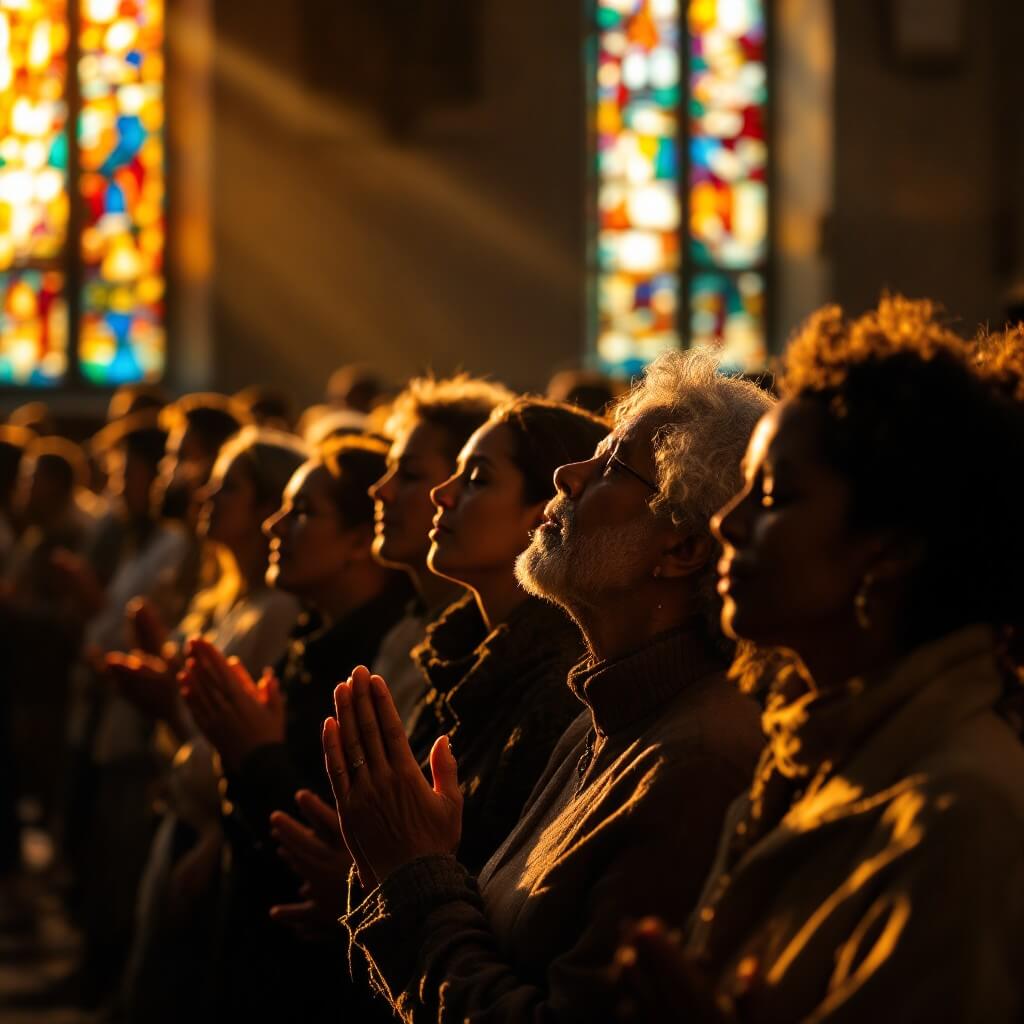

A prayer ministry gives a church a clear, consistent way to pray for people, support members, respond to needs, and seek God together. It can be simple, but it should not be random. When prayer requests are scattered across texts, hallway conversations, and social media comments, people can easily be forgotten. A healthy prayer ministry brings structure, care, and spiritual focus to one of the most important parts of church life.
At its best, prayer ministry is not just a meeting. It is a culture. It helps people bring needs before God, support one another, and grow in faith as a community.
- Understanding Prayer Ministry
- How to Establish a Prayer Ministry
- Essential Components of Effective Prayer Ministries
- Leveraging Technology in Prayer Ministry
- Engaging the Community Through Prayer
- Measuring the Impact of Your Prayer Ministry
-
FAQs
- What is a prayer ministry?
- How do I start a prayer ministry?
- What are the key components of an effective prayer ministry?
- How can technology help a prayer ministry?
- Why is community engagement important in prayer ministry?
- How can I measure the impact of a prayer ministry?
- What are some successful strategies for promoting prayer events?
- Understanding Prayer Ministry
- How to Establish a Prayer Ministry
- Essential Components of Effective Prayer Ministries
- Leveraging Technology in Prayer Ministry
- Engaging the Community Through Prayer
- Measuring the Impact of Your Prayer Ministry
-
FAQs
- What is a prayer ministry?
- How do I start a prayer ministry?
- What are the key components of an effective prayer ministry?
- How can technology help a prayer ministry?
- Why is community engagement important in prayer ministry?
- How can I measure the impact of a prayer ministry?
- What are some successful strategies for promoting prayer events?
Understanding Prayer Ministry
A prayer ministry is a structured church ministry focused on prayer support, intercessory prayer, prayer meetings, and spiritual care. It can include personal prayer, corporate prayer, online prayer groups, community prayer events, and prayer request follow-up.
Personal prayer ministry often focuses on praying with or for individuals. Corporate prayer ministry brings the whole church or a group together to pray for the church, leaders, families, outreach, healing, and community needs.
Biblical Basis for Prayer Ministry
Prayer ministry is rooted throughout Scripture. In Acts 2:41, about 3,000 people were added after Peter’s message, and the early church continued in teaching, fellowship, breaking bread, and prayer. That pattern matters. Growth was not only organizational. It was spiritual.
Churches today should treat prayer as a foundation, not an emergency response.
Types of Prayer Ministries
Common types include:
| Type of Prayer Ministry | Purpose |
|---|---|
| Intercessory prayer team | Prays regularly for church and community needs |
| Prayer request team | Receives, organizes, and follows up on requests |
| Healing prayer ministry | Prays with people seeking emotional, spiritual, or physical healing |
| Online prayer group | Supports people who cannot attend in person |
| Community prayer ministry | Hosts prayer events for local needs |
| Spiritual warfare prayer | Focuses on discernment, protection, and spiritual strength |
Real-Life Impact Stories
A strong prayer ministry can change the emotional tone of a church. People feel seen when someone follows up. Volunteers feel supported when they know others are praying for them. Families facing illness, grief, or financial pressure feel less alone.
As one ministry leader put it:
“A prayer ministry should be a vibrant part of a faith community, acting as the lifeblood that supports all church activities.”
That is a helpful way to view it. Prayer should not sit on the edge of ministry. It should support everything.
How to Establish a Prayer Ministry
Starting a prayer ministry does not require a huge team. It requires clarity, trusted leadership, and a simple structure that people can follow.
Planning and Strategy
Begin by answering a few practical questions:
- What is the purpose of this prayer ministry?
- Who will it serve?
- How will prayer requests be submitted?
- Who will see confidential requests?
- How often will the team meet?
- How will follow-up happen?
A clear plan prevents confusion later. It also protects people’s privacy.
Recruiting Leaders
Choose leaders who are spiritually mature, trustworthy, and consistent. A prayer ministry leader does not need to be the loudest person in the room. They need wisdom, compassion, confidentiality, and the ability to organize people well.
Look for people who already pray faithfully, encourage others, and handle sensitive information carefully.
Setting Up Meetings
Prayer meetings should have structure without feeling stiff. A simple meeting flow could look like this:
| Part of Meeting | Time |
|---|---|
| Welcome and Scripture | 5 minutes |
| Updates and answered prayers | 10 minutes |
| Main prayer focus | 20 minutes |
| Individual requests | 15 minutes |
| Closing and next steps | 5 minutes |
Keep it focused. People are more likely to return when the meeting is clear, respectful, and meaningful.
Essential Components of Effective Prayer Ministries
A prayer ministry becomes stronger when it has training, useful resources, and a reliable prayer request system.
Training and Resources
Training helps people pray with care. It should cover confidentiality, active listening, biblical prayer, praying with people in crisis, and knowing when to refer someone to pastoral care.
Prayer ministry should never become a place for gossip, pressure, or spiritual performance.
Prayer Guides
Prayer guides help people pray with focus. You can create guides for:
- New believers
- Families
- Church leaders
- Volunteers
- The sick
- Grieving families
- Outreach events
- Youth and children
- Local community needs
A guide does not replace sincere prayer. It simply gives people direction when they do not know where to start.
Managing Prayer Requests
A prayer request system is essential. Without one, requests get lost.
A good system should track:
| Prayer Request Detail | Why It Matters |
|---|---|
| Name | Helps the team pray personally |
| Request type | Makes organizing easier |
| Confidentiality level | Protects sensitive information |
| Date received | Helps with follow-up |
| Assigned prayer team member | Creates accountability |
| Follow-up notes | Shows care beyond the first prayer |
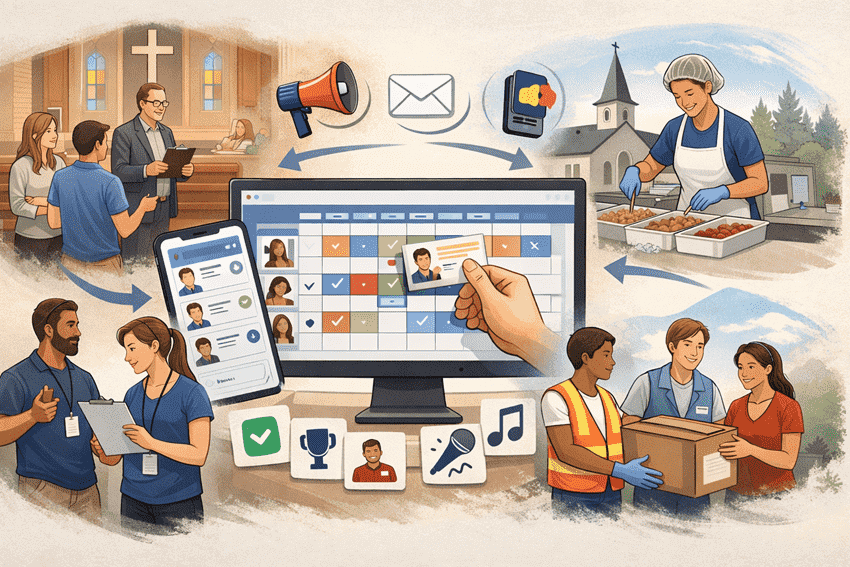
ChMeetings can help churches manage people, groups, communication, and follow-up in one place. If your church wants a cleaner way to organize ministry activity and stay connected with members, Try ChMeetings Today.
Leveraging Technology in Prayer Ministry
Technology should not replace prayer, but it can make prayer ministry more consistent and accessible.
Digital Platforms for Prayer
Online prayer groups are useful for people who cannot attend in person. They also help churches support members during the week, not only on Sundays.
Digital platforms can be used for:
- Weekly prayer calls
- Emergency prayer chains
- Online intercessory prayer groups
- Prayer request forms
- Follow-up reminders
Social Media Engagement
Social media can help promote prayer events and invite people to submit requests. But churches should be careful with privacy. Not every request should be posted publicly.
Use public posts for general prayer themes, such as praying for schools, families, leaders, or the local community. Use private forms or direct contact for sensitive needs.
Choosing the Right Apps
The right app depends on your church size and workflow. Look for tools that help you:
- Collect prayer requests
- Organize people into groups
- Communicate quickly
- Track follow-up
- Protect private information
- Support online and in-person ministry
The goal is not to use more technology. The goal is to make care easier and more reliable.
Engaging the Community Through Prayer
A prayer ministry should bless the church, but it can also serve the wider community. Prayer becomes a bridge when people see the church listening, caring, and showing up consistently.
Community Events
Community prayer events can focus on local schools, families, health workers, public safety, grief support, or neighborhood needs.
Simple event ideas include:
- Prayer night for families
- Back-to-school prayer gathering
- Community healing service
- Prayer walk around the neighborhood
- Monthly prayer breakfast
- Online prayer evening
Local Partnerships
Partnering with local organizations can help the church understand real needs. Schools, shelters, counseling centers, food banks, and community groups often know where people are struggling.
Prayer should not become a substitute for action. In many cases, prayer and practical support should work together.
Sharing Testimonies
Testimonies encourage participation. When people hear how prayer helped someone feel supported, restored, or strengthened, they understand the ministry’s value.
As one ministry team said:
“Engaging in prayer with others is more than just a spiritual exercise; it’s an invitation to see God at work.”
You can share testimonies during services, newsletters, small groups, or prayer meetings. Always get permission first, especially when the story includes personal details.
Measuring the Impact of Your Prayer Ministry
Prayer ministry is spiritual, but that does not mean it should be unmanaged. Measuring impact helps leaders understand what is working, what is missing, and where people need more support.
Metrics and Goals
Useful prayer ministry metrics include:
| Metric | What It Shows |
|---|---|
| Prayer meeting attendance | Participation and consistency |
| Number of prayer requests | Level of engagement |
| Follow-up completion | Quality of care |
| Volunteer involvement | Team health |
| Testimonies shared | Encouragement and visible impact |
| Community event participation | Outreach effectiveness |
Do not reduce prayer to numbers. Use numbers to improve care.
Feedback Mechanisms
Ask participants simple questions:
- Do you feel supported by the prayer ministry?
- Are prayer meetings clear and meaningful?
- Do you feel comfortable submitting requests?
- Is confidentiality handled well?
- What prayer topics should we focus on more?
Feedback helps the ministry stay humble and responsive.
Continuous Improvement
A prayer ministry should adapt as the church changes. A small church may begin with one weekly prayer meeting. A growing church may need multiple teams, online prayer groups, request tracking, and trained leaders.
The goal is not complexity. The goal is faithfulness.
As one ministry coordinator said:
“Our prayer events reflect not only our needs but our collective desire to grow closer to God.”
That should remain the heart of every prayer ministry.
FAQs
What is a prayer ministry?
A prayer ministry is a structured church ministry that helps people pray for individuals, the church, and the wider community. It often includes prayer meetings, prayer requests, intercessory prayer teams, online prayer groups, and follow-up care.
How do I start a prayer ministry?
Start with a clear purpose, support from church leadership, and a small team of trusted volunteers. Then create a simple structure for meetings, prayer requests, confidentiality, communication, and follow-up.
What are the key components of an effective prayer ministry?
The key components include trained leaders, regular prayer meetings, prayer guides, a clear prayer request system, confidentiality guidelines, and a follow-up process. These elements help the ministry stay organized and caring.
How can technology help a prayer ministry?
Technology can help churches collect prayer requests, run online prayer groups, send updates, organize volunteers, and follow up with people more consistently. It is especially useful for members who cannot attend in-person meetings.
Why is community engagement important in prayer ministry?
Community engagement helps prayer ministry move beyond the church building. It allows the church to pray for real local needs, build relationships, support families, and show care in practical ways.
How can I measure the impact of a prayer ministry?
You can measure impact by tracking attendance, prayer requests, follow-up, volunteer participation, testimonies, and feedback from participants. These metrics help leaders improve the ministry without turning prayer into a numbers game.
What are some successful strategies for promoting prayer events?
Promote prayer events through church announcements, email, social media, small groups, flyers, and personal invitations. Testimonies also help because people are more likely to attend when they understand the real impact of praying together.