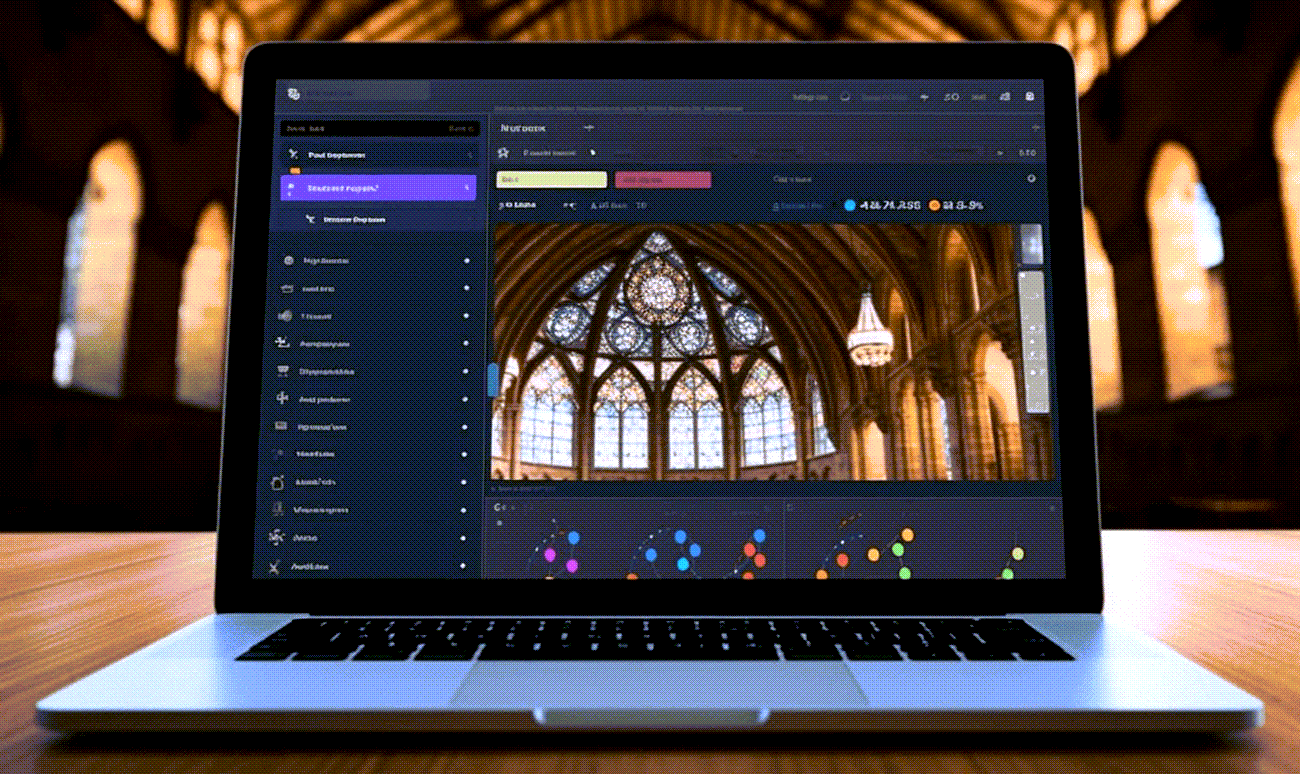
Let’s face it: ministry today happens far beyond the Sunday morning bulletin. With all the livestreams, virtual small groups, and apps, your faith community is bridging a huge gap between the physical and digital world. To truly thrive in this landscape, you need more than just faith and community—you need smart technology and intelligent data.
Here’s the thing: this isn’t about replacing personal connection with computers. It’s about being smarter—expanding your outreach, making your stewardship totally transparent, and genuinely amplifying the impact of your ministry. A strong online presence isn’t just nice to have; it’s essential. Digital transformation is a necessity, not a choice.
The secret sauce to handling this shift lies in two powerful, interconnected tools: management information systems and specialized church management software (ChMS). These are the engines that streamline your daily work, boost engagement, and let you make decisions based on real insights, leading to stronger ministry growth.
What Is Church Management Software—and Why It Matters
In today’s fast-moving world, ministry leaders face countless decisions—big and small—that shape the health and growth of their communities. That’s why data-driven decision-making is more than just a buzzword; it’s a vital tool for modern ministry.
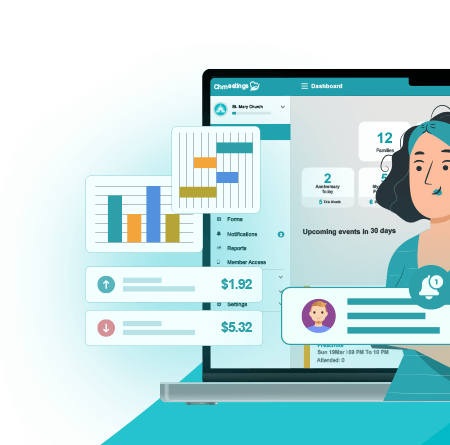
Think of ChMS as your ministry’s digital command center. It’s a specialized app designed to handle all that administrative and organizational heavy lifting. Its main purpose is simple: to centralize all your community information so your staff and amazing volunteers can spend less time on paperwork and more time on people.
- Membership Tracking: Maintaining up-to-date profiles for congregants and visitors.
- Donations & Giving: Processing and recording contributions securely.
- Events & Calendaring: Scheduling services, meetings, and outreach activities.
- Communication: Managing mass emails, texts, and communication lists.
Unlike generic business software, ChMS is built for ministry—it tracks everything from small groups to baptisms. It takes abstract numbers and turns them into meaningful, actionable insights for your unique context.
With church management software, you can move beyond relying on gut feelings and guesswork. You can tap into real data that helps you serve more effectively. Whether you’re tracking attendance, understanding giving patterns, or identifying areas for deeper engagement, data empowers you to make more informed choices. It’s about using resources wisely, caring for people intentionally, and building a ministry that’s resilient and ready to grow.

The Power of Management Information in Ministry Growth
Understanding management information is crucial because it forms the foundation of smart ministry planning. Think of it as the strategic layer beneath the software: it’s how you turn raw data into actionable insight.
In your ministry context, this involves tracking and analyzing key activities like:
- Attendance Trends: How service attendance—both in-person and online—changes seasonally or based on event type.
- Giving Patterns: Understanding the consistency and generosity of donations to project income accurately with smarter church budgeting.
- Volunteer Engagement: Identifying who is serving, where their gifts lie, and how often they participate.
A great example of using data effectively is identifying when small group participation declines after an online service, and then adjusting follow-ups or offering easier ways to connect. It’s not just guesswork; it’s using real insight to build a stronger, more engaged community.
Attendance data highlights the challenge and opportunity for modern ministry. As of 2025, only 20% of Americans attend church every week, a notable decline from 32% in 2000. This highlights the importance of utilizing effective digital tools to engage those who may attend infrequently or participate exclusively online.
Key Features to Look for in Modern Church Management Software
When you’re shopping for the right solution, the best church management software is designed for a world where everyone is on their phone.
- Cloud-Based Access and Online Collaboration Tools: The ability to access data securely from anywhere is a non-negotiable requirement. This is essential for pastors, staff, and volunteers who need to collaborate effectively, even when physically apart.
- Integrated Communication Systems: Look for unified features that sync email, SMS, and potentially social media tools to ensure seamless outreach.
- Financial and Donation Tracking: Beyond basic processing, the software should provide transparent and detailed reporting that simplifies accounting and enhances trust in your stewardship. Accurate tracking using church accounting software ensures these vital contributions are managed effectively and ethically.
- Event Scheduling, Volunteer Management, and Reporting: Tools that make it easy for congregants to register for events and for leaders to schedule and track volunteer hours are vital.
- Security, Privacy, and Data Integrity: As a faith-based organization, maintaining the confidentiality of personal and giving data is of paramount importance. Ensure the platform adheres to high security standards.
The bottom line? Online tools simplify ministry life by automating tasks such as sending welcome emails and event reminders, helping your team stay connected, and making giving and sign-ups easier. That means less time drowning in admin and more time doing meaningful ministry.
For ministry leaders seeking the most powerful tools to manage these resources, consider exploring a platform that offers robust analytics and integration. The top online management information program can provide the comprehensive reporting and data structure needed to turn vision into reality.
Building Stronger Community Engagement Through Technology
Using management information strategically is the secret to building a genuinely engaged community. It lets you move past generic communication and personalize your ministry efforts:
- Track Engagement Trends: See which topics and messages truly resonate with your congregation.
- Empower Leaders: Give volunteers and staff accessible data from the church management software.
- Enable Targeted Outreach: Use data to guide personalized check-in calls or visits tailored to a person’s actual needs or participation level.
- Bridge the Digital Gap: Ensure your online attendees feel just as connected and valued as those in the sanctuary.
It’s also essential to remember that different generations view faith differently: for example, 71% of U.S. adults aged 65 and older express a positive view of religion’s influence in public life, compared with 46% of 18- to 29-year-olds. Your management system can help you tailor outreach so you speak the right language to the right age group.
The Future of Online Ministry: Data-Driven Discipleship
Online ministry is evolving faster than ever, and the tools supporting it are becoming increasingly sophisticated. The next wave of management information and church management software will utilize AI and predictive analytics to enable you to care for your community more personally.
Imagine a system that gently flags you when a regular attendee stops giving—not to prompt a donation, but to check in with genuine compassion. These insights are significant because, statistically, in most churches, 5–10% of households account for two-thirds of all ministry funding. Clear, timely data helps leaders nurture those crucial relationships with wisdom and empathy.
These insights are significant because, in most churches, 5–10% of households account for two-thirds of all ministry funding. Having clear, timely data helps leaders nurture those relationships wisely and with empathy.
Used thoughtfully, smart data doesn’t replace ministry—it strengthens it. It helps pastors spot needs early, bridge gaps in discipleship, and respond to struggles before they grow. At its best, technology doesn’t take away the human touch—it extends it, helping ministries connect with people more deeply than ever before.
Conclusion: Building Faith Through Smarter Management
Did you know that embracing smart digital tools can make a big difference in your ministry’s impact? Church management software isn’t just about efficiency—it’s about honoring the people and resources God has entrusted to you.
By streamlining operations and making informed decisions, you create space for deeper connection, greater transparency, and stronger community engagement. This isn’t about replacing faith—it’s about using technology as a tool for service, helping your ministry grow and thrive in today’s connected world.