

Uplifting hymns have a way of giving words to faith when ordinary speech feels too small. They help people worship with joy, sit with grief, remember God’s faithfulness, and sing together as one church family.
Songs are an essential part of church services. They create an atmosphere that goes beyond music alone, helping the congregation pray, reflect, remember, and worship together.
For church leaders, worship teams, choir directors, and ministry volunteers, choosing the right hymn is not just about picking something familiar. It is about matching the message, tone, and spiritual moment. A hymn for a funeral may need to carry hope gently. A hymn for a wedding may need joy and reverence. A hymn for a Sunday service may need to help the congregation lift its eyes back to God.
This guide walks through some of the best uplifting hymns, when to use them, what they mean, and how churches can include them in worship, personal reflection, and community life.
What Are Uplifting Hymns?
Uplifting hymns are Christian songs that encourage faith, hope, gratitude, trust, and worship. They often combine strong theology with memorable melodies, making them useful in church services, weddings, funerals, celebrations, and private devotion.
They are not always cheerful in a shallow way. Some of the most uplifting hymns were written out of loss, doubt, sickness, or hardship. Their power comes from the way they point people toward God’s character, even when life feels heavy.
Definition of Hymns
A hymn is a song of praise, prayer, confession, or reflection, usually written for congregational singing. Traditional hymns often have multiple verses, a clear theological message, and a melody that can be sung by a group.
Uplifting hymns usually share a few traits:
| Trait | What It Adds |
|---|---|
| Hopeful message | Reminds people of God’s grace, strength, and presence |
| Singable melody | Helps the congregation participate |
| Biblical depth | Keeps worship rooted in truth |
| Emotional honesty | Makes the song useful in both joy and sorrow |
| Shared memory | Connects generations in worship |
Historical Evolution
Christian hymnody has deep roots. Some of the earliest known Christian hymn manuscripts were discovered in Egypt in 1918 and published in 1922, showing how far back sung worship reaches in Christian practice.
Over time, hymns developed across cultures, languages, and traditions. Some were written as prayers. Some came from poems. Others began in revival movements, choir traditions, or local church life.
The Catholic Church also has a long musical history, from Gregorian chants to hymns sung in local languages around the world. Catholic hymns have often served three important purposes: facilitating prayer, conveying theological truths, and creating an atmosphere of reverence.
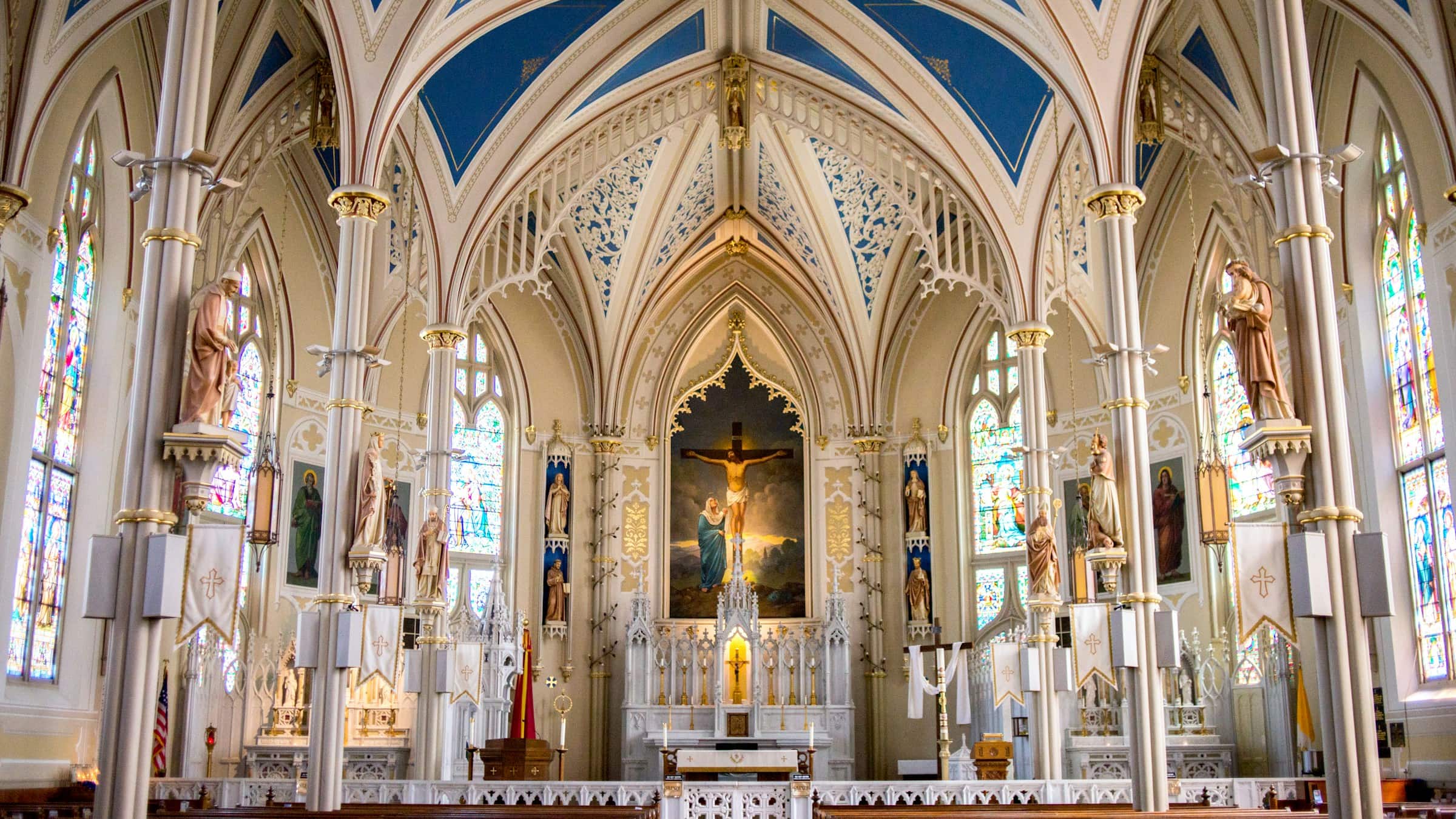
Examples of well-known Catholic pieces include Ave Maria by Schubert, a prayerful ode to the Virgin Mary, and Panis Angelicus by Franck, a hymn connected with gratitude for the Eucharist.
A hymn’s life can also extend far beyond its first setting. For example, some hymn tunes became linked to schools, civic ceremonies, national moments, and public remembrance services. “Abide with Me,” for instance, was used for more than 70 years in India’s annual Beating Retreat ceremony until 2021.
Why They Matter in Modern Worship
Modern worship has changed, but hymns still matter because they give churches a shared language. They are often rich in doctrine, easy to remember, and emotionally steady.
In a church setting, uplifting hymns can:
- Help different generations worship together
- Bring comfort during grief
- Give structure to special services
- Teach theology through repeated singing
- Create a sense of unity in the congregation
For churches that use contemporary worship songs, hymns can still be included through updated arrangements, choir features, acoustic versions, or blended worship sets.
Top 10 Uplifting Hymns
Here is a practical comparison of uplifting hymns churches often use for worship, comfort, celebration, and personal reflection.
| Hymn | Common Theme | Best Used For |
|---|---|---|
| Amazing Grace | Grace, salvation, redemption | Worship, funerals, testimony services |
| How Great Thou Art | God’s majesty and creation | Worship, celebration, choir specials |
| Be Thou My Vision | Guidance, devotion, surrender | Weddings, prayer services, personal reflection |
| It Is Well with My Soul | Peace in suffering | Funerals, grief care, reflective worship |
| Blessed Assurance | Confidence in Christ | Sunday worship, baptisms, celebrations |
| Great Is Thy Faithfulness | God’s consistency | Thanksgiving, anniversaries, annual services |
| To God Be the Glory | Praise and gratitude | Celebrations, church milestones |
| Come Thou Fount of Every Blessing | Grace and spiritual renewal | Communion, repentance, worship |
| Joyful, Joyful, We Adore Thee | Joy and praise | Celebrations, opening hymns |
| Morning Has Broken | New beginnings and creation | Morning worship, weddings, Easter season |
1. Amazing Grace
“Amazing Grace” is one of the most recognized hymns in the English-speaking world. Written by John Newton, it speaks about grace, rescue, and spiritual transformation.
Use it when the service focuses on salvation, forgiveness, baptism, testimony, or comfort. It also works well in funerals because it holds grief and hope together.
For Easter worship, Amazing Grace can also work beautifully because its message of mercy, new beginnings, and redemption fits the season.
2. How Great Thou Art
“How Great Thou Art” is a hymn of awe. It moves from creation to redemption and invites worshipers to consider the greatness of God.
The hymn also has a strong musical legacy. In 1967, Elvis Presley recorded it as the title track of his second gospel LP, which earned him two Grammy awards. That wider cultural reach shows how deeply the hymn has connected with people beyond regular church services.
This hymn is a strong choice for worship services, choir Sundays, Easter celebrations, and moments when the congregation needs to focus on God’s majesty.
3. Be Thou My Vision
“Be Thou My Vision” is a prayer for guidance, wisdom, and devotion. It is especially fitting when a church wants to invite people into surrender and trust.
This hymn works well for weddings because it frames life as a journey guided by God. It also fits prayer services, leadership installations, and quiet reflective moments.
For personal devotion, it is helpful because it turns attention away from distraction and back toward God as the center of life.
4. It Is Well with My Soul
“It Is Well with My Soul” is often used in sorrow because it speaks of peace without pretending life is easy. Its message is not shallow positivity. It is trust in God when circumstances are painful.
This makes it one of the strongest hymns of comfort for funerals, memorial services, hospital visits, and grief-focused gatherings.
It should be chosen with care. In a service marked by fresh loss, the hymn can be powerful, but worship leaders should present it gently rather than force it as a command to feel better.
5. Blessed Assurance
“Blessed Assurance” is joyful, confident, and personal. It celebrates belonging to Christ and living with assurance in God’s promises.
It works well in Sunday worship, baptisms, membership services, and moments of testimony. The hymn is uplifting because it gives believers language for confidence without arrogance.
For churches with strong congregational singing, this hymn often works because many people know it and can join in easily.
Contextual Uses of Uplifting Hymns
Uplifting hymns can be used across different life events, but the best choice depends on the tone of the moment. A hymn that works beautifully at a celebration may feel too bright for a funeral. A reflective hymn may feel too quiet for an opening worship song.
Weddings
Wedding hymns should feel joyful, reverent, and prayerful. Good choices include “Be Thou My Vision,” “Great Is Thy Faithfulness,” “Joyful, Joyful, We Adore Thee,” and “Praise God from Whom All Blessings Flow.”
For a wedding, choose hymns that speak about God’s guidance, faithfulness, gratitude, and blessing. Avoid hymns that feel too mournful or focused on suffering unless they have special meaning for the couple.
Funerals
Funeral hymns need emotional honesty. The goal is not to erase grief, but to help people grieve with hope.
Strong funeral hymn options include “Amazing Grace,” “It Is Well with My Soul,” “The Old Rugged Cross,” “Abide with Me,” and “O God, Our Help in Ages Past.”
The BBC’s collection of hymns for funerals is a useful reference for understanding how hymns are chosen for comfort, remembrance, and hope.
Celebrations
Celebratory services need hymns that lift the room and invite full participation. Church anniversaries, baptisms, Easter services, Thanksgiving services, and community gatherings often benefit from hymns with strong praise themes.

Easter is one of the strongest moments for uplifting hymns because it centers on the celebrations of the resurrection of Jesus Christ. Easter hymns help the congregation to connect with Christ’s passion, death, and resurrection through music that carries joy, hope, and victory.
Good choices include:
- He Arose, a vibrant hymn celebrating Christ’s victory over death
- In Christ Alone, a modern hymn centered on salvation and hope in Christ
- “How Great Thou Art”
- “To God Be the Glory”
- “Joyful, Joyful, We Adore Thee”
- “Great Is Thy Faithfulness”
- “Praise God from Whom All Blessings Flow”
These hymns are especially helpful when the church wants to look back with gratitude and forward with faith.
The Power of Hymns in Personal and Community Reflection
Hymns do more than fill time in a service. They shape memory, emotion, and belief. Many people remember hymns from childhood, funerals, weddings, Sunday services, and moments of personal crisis.
That is why hymn selection matters. A well-chosen hymn can help a congregation pray, grieve, confess, celebrate, and remember together.
Emotional Benefits
Music has a unique way of reaching people emotionally. Uplifting hymns can bring calm during anxiety, hope during sadness, and gratitude during celebration.
For personal reflection, hymns can be used as a quiet spiritual practice:
| Practice | How to Use a Hymn |
|---|---|
| Morning devotion | Read or sing one verse slowly |
| Journaling | Write about one phrase that stands out |
| Prayer | Turn the hymn’s theme into a personal prayer |
| Grief support | Choose one hymn of comfort and sit with it |
| Family worship | Sing one familiar hymn together |
Community Building
Congregational singing reminds people that they are not alone. When a church sings together, individual voices become one shared confession of faith.
This is especially meaningful in multi-generational churches. A hymn that older members know by heart can become a teaching moment for younger people. A new arrangement can help the same hymn feel fresh without losing its depth.
Camp songs can serve this purpose for children, youth groups, and church retreats. They are usually simple, memorable, and easy to sing together.

Popular examples include Pharaoh, Pharaoh, which retells the story of Israel’s escape from Egypt in a fun call-and-response style, and This Little Light of Mine, which encourages children and adults to live out their faith openly.
Cultural Impact
Hymns cross denominational and cultural lines. Some are used in Protestant, Catholic, Anglican, Methodist, Baptist, Presbyterian, and independent church contexts. Others have been translated and adapted across countries.
That cultural reach is one reason hymns remain powerful. They do not belong only to one generation or one style of worship. They can be carried, adapted, and shared.
Lesser-Known Uplifting Hymns
Some uplifting hymns are famous, while others deserve more attention. Lesser-known hymns can help a church avoid repeating the same small list every season.
1. The Old Rugged Cross
“The Old Rugged Cross” is often associated with reflection on Christ’s sacrifice. It is not uplifting because it is light or cheerful. It is uplifting because it points people to redemption.
This hymn works well for Good Friday, Communion, funerals, and services focused on grace. It can also be meaningful in personal reflection when someone is thinking deeply about forgiveness and surrender.
2. O God, Our Help in Ages Past
“O God, Our Help in Ages Past” is a strong hymn for remembering God’s faithfulness across time. It is often used in civic services, funerals, anniversaries, and end-of-year worship.
Its strength is perspective. It reminds the church that God was faithful before us, is faithful now, and will remain faithful after us.
This hymn is especially useful for older congregations, church anniversaries, and moments when people need stability.
3. Praise God from Whom All Blessings Flow
“Praise God from Whom All Blessings Flow,” often called the Doxology, is short but powerful. It is a hymn of praise that many churches use after offerings, at the close of services, or during special moments of gratitude.
Because it is brief, it works well in both traditional and modern services. It can also be used with children because it is easy to learn.
Other lesser-used uplifting hymns may also fit well in ordinary church seasons. Some late 20th-century hymn texts, such as those expanding on Matthew 11:28-30, offer rich themes of rest and invitation. “Morning Has Broken,” written by Eleanor Farjeon in 1931, can also work beautifully for services focused on creation, renewal, or new beginnings.
How to Choose the Right Hymn for the Occasion
Choosing uplifting hymns takes more than picking the most popular song. A good hymn should fit the Scripture, sermon theme, emotional tone, and needs of the congregation.
Assessing the Emotional Tone
Before choosing a hymn, ask what the service needs emotionally.
| Service Tone | Hymn Direction |
|---|---|
| Joyful | Choose praise and celebration hymns |
| Reflective | Choose prayerful or meditative hymns |
| Grieving | Choose hymns of comfort and hope |
| Repentant | Choose hymns about grace, mercy, and surrender |
| Mission-focused | Choose hymns about faith, courage, and obedience |
| Youth-focused | Choose simple, participatory songs that are easy to learn |
The right hymn should support the moment, not fight against it.
Occasion-Based Suggestions
Here are simple hymn suggestions by occasion:
| Occasion | Recommended Hymns |
|---|---|
| Wedding | “Be Thou My Vision,” “Great Is Thy Faithfulness” |
| Funeral | “Amazing Grace,” “It Is Well with My Soul” |
| Easter | “How Great Thou Art,” “To God Be the Glory,” “He Arose,” “In Christ Alone” |
| Thanksgiving | “Praise God from Whom All Blessings Flow” |
| Church anniversary | “O God, Our Help in Ages Past” |
| Baptism | “Blessed Assurance,” “Amazing Grace” |
| Quiet prayer service | “Be Thou My Vision,” “Come Thou Fount of Every Blessing” |
| Youth camp or retreat | “This Little Light of Mine,” “Pharaoh, Pharaoh” |
For church administrators and worship teams, planning songs, services, volunteers, and events can quickly become scattered. ChMeetings helps churches organize people, groups, events, attendance, and communication in one place, which makes service planning and follow-up easier. Try ChMeetings Today
Personal Reflection Tips
For personal use, choose one hymn and stay with it for a week. Do not rush through a playlist. Let the words shape prayer and reflection.
You can use this simple rhythm:
- Read the hymn title and think about the theme.
- Listen to a simple version without distractions.
- Write down one line or idea that stands out.
- Pray about where that theme connects to your life.
- Return to the hymn during the week.
This turns hymns from background music into spiritual practice.
Resources for Uplifting Hymns
There are many ways to keep exploring uplifting hymns, whether you are planning a church service, building a playlist, preparing a funeral, Easter worship, youth camp, or personal encouragement.
Books and Literature
Church hymnals are still one of the best resources because they organize hymns by theme, season, Scripture, and use. Older hymnals can also help worship leaders rediscover songs that are not common in modern playlists.
Books on hymn history are useful for pastors, worship leaders, and choir directors who want to explain why a hymn matters before singing it.
Online Resources
Online hymn databases and music platforms can help you compare lyrics, composers, meters, and tune names. Hymnary.org is useful for deeper exploration of hymnals and hymn texts.
Music platforms can also help teams hear different arrangements before choosing a version for worship. For example, curated collections such as 100 Inspirational Hymns on Apple Music can help readers discover familiar and traditional hymns in one place.
You can also use video references when planning services or sharing examples with a worship team:
| Song or Resource | Best Use |
|---|---|
| Ave Maria by Schubert | Catholic services, prayerful reflection, Marian devotion |
| Panis Angelicus by Franck | Eucharistic worship and reflective services |
| He Arose | Easter services and resurrection-themed worship |
| In Christ Alone | Easter, salvation-focused services, modern worship sets |
| Amazing Grace | Funerals, testimonies, baptisms, Easter |
| Pharaoh, Pharaoh | Children’s ministry, youth camp, retreats |
| This Little Light of Mine | Kids’ worship, family services, community events |
Community Involvement
Local church choirs, worship teams, children’s ministry leaders, youth groups, and small groups can help keep hymns alive. Invite members to share hymns that shaped their faith. Ask older members which hymns carried them through difficult seasons. Encourage younger members to learn the stories behind the songs.
A church can even host a hymn night built around testimonies, Scripture readings, and congregational singing. This can become both worship and discipleship.
FAQs
What are some popular uplifting hymns?
Popular uplifting hymns include “Amazing Grace,” “How Great Thou Art,” “Be Thou My Vision,” “It Is Well with My Soul,” “Blessed Assurance,” “Great Is Thy Faithfulness,” and “To God Be the Glory.” These hymns are often used because they combine strong messages with melodies congregations can sing together.
When should I use uplifting hymns?
Use uplifting hymns in church services, weddings, funerals, baptisms, prayer gatherings, anniversaries, Easter services, youth camps, and personal devotion. The key is to match the hymn’s emotional tone to the occasion. Some hymns are joyful and celebratory, while others offer quiet comfort.
What makes a hymn uplifting?
A hymn is uplifting when it encourages faith, hope, trust, gratitude, or worship. It may be joyful, peaceful, reflective, or comforting. The most uplifting hymns usually combine meaningful lyrics, a singable melody, and a message that points people back to God.
Are there hymns suitable for personal reflection?
Yes. Hymns such as “It Is Well with My Soul,” “Be Thou My Vision,” “Blessed Assurance,” and “Come Thou Fount of Every Blessing” work well for personal reflection. They can be used during prayer, journaling, grief, morning devotion, or quiet worship.
Where can I find uplifting hymns?
You can find uplifting hymns in church hymnals, worship planning resources, online hymn databases, choir collections, video performances, and music platforms. Hymnary.org is especially helpful for researching hymn texts, tune names, and hymnal references.