
A church anniversary is one of the most meaningful occasions on any congregation’s calendar. It is a moment to pause, look back at God’s faithfulness, look forward with renewed vision, and celebrate the people who have made the journey together. Whether your congregation is marking five years or fifty, the right church anniversary ideas can turn a single Sunday into a defining memory for your entire community.
This guide covers everything you need: why anniversaries matter, what to say at a church anniversary, how to plan one well, creative themes, commemorative ideas, community outreach, celebration day programming, and how to keep the spirit alive long after the day itself is over.
- Introduction: The Significance of Church Anniversaries
- Engaging Activities for All Ages
- Creative Thematic Ideas for Celebrations
- Organizational Tips for Planning
- Innovative Commemorative Ideas
- Community Involvement: Outreach Ideas
- Celebration Day Activities
- Follow-Up: Continuing the Spirit of Celebration
-
Frequently Asked Questions
- What are some unique church anniversary ideas?
- How can we involve the community in our church anniversary?
- What is the importance of a church anniversary?
- How do you plan a church anniversary celebration?
- What are some decoration ideas for a church anniversary?
- How can we make our church anniversary memorable?
- What type of commemorative items can we create for our anniversary?
- What follow-up activities can we implement after the anniversary?
- Conclusion
- Introduction: The Significance of Church Anniversaries
- Engaging Activities for All Ages
- Creative Thematic Ideas for Celebrations
- Organizational Tips for Planning
- Innovative Commemorative Ideas
- Community Involvement: Outreach Ideas
- Celebration Day Activities
- Follow-Up: Continuing the Spirit of Celebration
-
Frequently Asked Questions
- What are some unique church anniversary ideas?
- How can we involve the community in our church anniversary?
- What is the importance of a church anniversary?
- How do you plan a church anniversary celebration?
- What are some decoration ideas for a church anniversary?
- How can we make our church anniversary memorable?
- What type of commemorative items can we create for our anniversary?
- What follow-up activities can we implement after the anniversary?
- Conclusion
Introduction: The Significance of Church Anniversaries
Church anniversaries are more than a date on the calendar. They are an act of corporate gratitude, a declaration that this community of faith has persisted, grown, and continued to serve its purpose. They also serve a deeply practical function: they give members a reason to show up, invite others, and recommit to the congregation’s shared mission.
“Celebrating anniversaries allows congregations to reflect on God’s work and foster a sense of continuity and belonging.” — Lyndsi Bigbee, Marketing Copywriter
Why Celebrate Church Anniversaries?
Many church leaders ask why a formal anniversary celebration is worth the effort. The answer goes deeper than tradition. Statistics suggest that roughly half of new churches close within their first five years. Every anniversary a congregation reaches is therefore genuinely worth marking. It represents years of prayer, sacrifice, leadership, and faithfulness that brought the church to where it stands today.
Celebrating also reinforces identity. Congregations that regularly pause to acknowledge where they have come from develop a clearer, more confident sense of where they are going. The celebration is not nostalgia. It is foundation-building for everything that comes next.
What to say at a church anniversary often begins here: with honest acknowledgment of God’s faithfulness through both the fruitful seasons and the difficult ones. The most powerful anniversary messages are those that name both.
The Role of Community in Celebrations
The most effective church anniversary ideas are never about putting on a performance for the congregation. They are about inviting the congregation into the celebration as active participants. When members help plan, contribute stories, build displays, and lead activities, the anniversary becomes theirs in a way that a purely top-down event never can be.
Community participation also ensures the celebration reflects the actual diversity of the congregation: its different generations, cultures, histories, and hopes. An anniversary that only reflects the leadership’s perspective will feel thin. One that gathers voices from across the community will feel genuinely alive.
Types of Anniversaries: Milestones vs. Annual Events
Not every anniversary requires the same scale of celebration. A fifth anniversary might call for a focused Sunday service with a testimony time and a shared meal. A twenty-fifth or fiftieth anniversary warrants a fuller multi-day event with church history documentation, community outreach, and commemorative items.
Understanding the type of anniversary you are planning helps you allocate budget, time, and energy appropriately. Milestone anniversaries marking 10, 25, 50, or 100 years deserve more elaborate planning and earlier preparation. Annual anniversaries benefit from lighter, repeatable formats that build tradition without exhausting your planning team.
Engaging Activities for All Ages
One of the most common weaknesses in church anniversary planning is programming that only works for one age group. A truly successful celebration creates meaningful moments for the youngest child in the room and the longest-serving elder alike. Inter-generational activities are where most competitor pages fall short, and where your anniversary can stand apart.
Community Projects
A community project completed together in honor of the anniversary creates a lasting, tangible expression of the congregation’s values. Ideas include:
- Organizing a neighborhood cleanup or food drive on the anniversary weekend
- Building care packages for local families and distributing them as a congregation
- Planting a memorial garden on church grounds that grows year after year
- Painting a mural in the church or community space that tells the congregation’s story visually
Projects like these give every age group a meaningful role. Children carry supplies. Teenagers lead logistics. Adults and elders contribute wisdom, story, and hands-on effort. The shared work itself becomes the celebration.
Games and Social Activities
Social activities that span generations create the kind of spontaneous connection that formal programming rarely produces. Consider:
- A church history trivia game where older members hold the answers and younger members ask the questions
- A photo scavenger hunt through the church building featuring historical images and current members
- Intergenerational craft stations where grandparents and grandchildren create something together
- A recipe exchange where members contribute dishes tied to memories from the church’s history
The goal is interaction across generations, not just parallel participation. Design activities that require older and younger members to work together rather than simply existing in the same room.
Testimonial Sharing
Testimony sharing is one of the most spiritually rich elements any church anniversary can include. Hearing how God has worked in individual lives across the years of the congregation’s existence connects personal faith stories to the larger story of the community.
Structure testimony sharing so it feels safe and manageable. Brief two to three minute testimonies from a curated mix of voices, long-serving members, newer attendees, young people, and elders, create a tapestry that represents the whole congregation rather than a single perspective.
What to say at a church anniversary testimony: keep it specific. Name a moment, a season, or a person through whom God worked. Specific stories land far more powerfully than general gratitude.
Creative Thematic Ideas for Celebrations
A theme does more than decorate a room. It gives the entire anniversary a coherent emotional and spiritual tone, making every element of the day feel intentional rather than assembled from disconnected pieces. The best church anniversary ideas are built around a theme the congregation has helped choose.
Scripture-Inspired Themes
Scripture-inspired themes ground the celebration in the congregation’s faith foundation and give speakers, decorators, and activity planners a unified direction. Strong options include:
- Ebenezer: Thus Far the Lord Has Helped Us (1 Samuel 7:12) — ideal for milestone anniversaries focused on God’s faithfulness through difficulty
- Rooted and Built Up (Colossians 2:7) — suited to anniversaries emphasizing growth and spiritual depth
- A House of Prayer for All Nations (Isaiah 56:7) — powerful for congregations with a strong outreach or missions identity
- From Generation to Generation (Psalm 145:4) — perfect for celebrations emphasizing intergenerational continuity
Involve members in theme selection by sharing options in advance and gathering input through a simple vote or feedback form.
Historical Reflection Themes
Historical reflection themes invite the congregation to look back with gratitude and honest acknowledgment of the journey. These work particularly well for longer-established congregations with rich documented histories.
“A church that has a strong sense of its history will have a better sense of identity to build on for the future.” — Cindy de Jong, Worship Planning Expert
Display photographs, letters, bulletins, and artifacts from across the years. Create a timeline wall showing key moments. Interview founding members or their families on video. A well-executed historical reflection theme turns the anniversary into an act of living memory that younger members can connect to and older members can recognize as true.
Future Vision Themes
Future vision themes balance reflection with anticipation, making the anniversary a launching point rather than simply a look backward. These themes work well when the congregation is entering a new season, completing a building project, launching a new ministry, or welcoming new leadership.
Activities might include a congregational visioning exercise, an opportunity for members to write and seal prayers for the church’s next decade, or a commissioning service for new ministry leaders. The celebration becomes both a thank you for the past and a declaration of intent for what comes next.
Organizational Tips for Planning
How you plan a church anniversary matters as much as what you plan. Events that feel disorganized, rushed, or poorly communicated leave congregations deflated rather than energized. The practical infrastructure of anniversary planning deserves as much attention as the creative elements.
Timeline for Planning
A realistic planning timeline for a church anniversary celebration looks roughly like this:
| Timeframe | Key Tasks |
|---|---|
| 6 to 12 months out | Set the date, form the planning committee, establish the budget, choose the theme |
| 3 to 6 months out | Book speakers or guests, begin history documentation, design commemorative items |
| 1 to 3 months out | Finalize program, confirm logistics, communicate with congregation, prepare testimonies |
| 2 to 4 weeks out | Final rehearsals, print materials, confirm catering or refreshments, brief all volunteers |
| Anniversary week | Final setup, run-through, distribute programs, prepare welcome for guests |
Milestone anniversaries marking 25 years or more benefit from beginning the process at least 12 months in advance. Smaller annual celebrations can be organized effectively in three to four months with a committed team.
Budget Considerations
Establish a realistic budget early and assign line items to each element of the celebration. Common budget categories include venue setup and decoration, printed materials and commemorative items, catering or refreshments, audio and visual equipment, speaker honoraria or travel, and contingency reserve.
A common mistake is underbudgeting for printed materials and commemorative items, which tend to cost more than anticipated when designed professionally. Allocate at least 15 to 20 percent of the total budget for these items if they are a priority for your celebration.
Managing your congregation’s giving, budgeting, and event finances is significantly easier with purpose-built church management tools. Try ChMeetings Today to keep your anniversary planning organized from first committee meeting to final follow-up.
Committee Roles
A well-structured planning committee distributes responsibility clearly so no single person carries the entire event. Core roles to assign include:
- Overall coordinator — oversees the full plan and keeps all teams aligned
- Program lead — manages the order of service, speakers, and testimonies
- Logistics lead — handles venue setup, catering, and day-of operations
- Communications lead — manages congregation announcements, invitations, and social media
- History and commemoration lead — coordinates documentation, displays, and commemorative items
- Outreach lead — organizes community involvement and partnership activities
Each role should have a clear brief, a budget allocation, and a direct line to the overall coordinator. Weekly or bi-weekly check-ins keep the team aligned without unnecessary meetings.
Innovative Commemorative Ideas
Commemorative items give members something tangible to carry the anniversary forward in their everyday lives. The most meaningful commemoratives are those that connect personal memory to the congregation’s collective story.
Custom Banners
Custom banners featuring the church’s name, founding year, anniversary milestone, and a chosen scripture or theme verse create an immediate visual statement of celebration. Banners can be displayed throughout the worship space, in the foyer, and outside the building to signal the significance of the occasion to the wider community.
For additional inspiration on banner ideas and decoration approaches, creative anniversary ideas for churches offers a useful range of visual concepts worth exploring.
Quality matters here. A professionally produced banner communicates that the congregation values the occasion. It can also be preserved and brought out for future milestone anniversaries, becoming part of the church’s own material history.
History Documentations
Documenting the church’s history in a formal publication is one of the most lasting gifts an anniversary planning team can create. A church history book or booklet might include:
- A narrative account of the church’s founding and key seasons
- Photographs spanning the congregation’s history
- Profiles of significant leaders, founding members, and long-serving volunteers
- Testimonies gathered from across the congregation
- A timeline of key milestones, building projects, and ministry launches
Best practices for church history documentation include beginning the research process at least six months before the anniversary, interviewing founding or long-serving members while their memories are accessible, and cross-referencing personal accounts with any existing written records such as old bulletins, meeting minutes, or newsletters.
Time Capsules
A time capsule sealed on the anniversary day and scheduled to be opened at a future milestone creates an immediate bridge between the present congregation and a future one. Invite members to contribute:
- Letters to the future congregation describing the current season of the church
- Photographs of members, ministries, and the building as it currently stands
- A copy of the anniversary bulletin or program
- Prayers and hopes written for the church’s next decade or generation
Seal the capsule in a weatherproof container, document its location formally, and record the planned opening date in the church’s permanent records. The act of sealing the capsule is itself a powerful moment in the anniversary celebration.
Community Involvement: Outreach Ideas
A church anniversary that turns entirely inward misses a significant opportunity. The congregation’s best testimony to the surrounding community is not a polished Sunday service but a visible act of love and service extended outward in celebration of what God has done.
Community Meals
A community meal hosted in honor of the anniversary, open to neighbors and not just congregation members, communicates welcome in one of the most universal ways possible. Organize the meal as a sit-down event with intentional table hosting, assigning congregation members to welcome and converse with community guests rather than clustering with people they already know.
Food connects people across every barrier. A well-hosted community meal on an anniversary weekend often introduces the church to neighbors who have never set foot inside the building.
Inviting Local Leaders
Inviting local civic leaders, heads of neighboring organizations, and leaders from other faith communities to participate in the anniversary celebration signals that the congregation sees itself as part of the wider community rather than separate from it.
A brief welcome or greeting from a local leader during the anniversary service, or a seat of honor at the community meal, communicates mutual respect and opens doors for future partnership. Many church leaders find that anniversary invitations to civic figures begin ongoing relationships that serve the community for years afterward.
Partnership Outreach
Partnering with a neighboring church for a joint anniversary outreach project creates a visible expression of Christian unity while multiplying the impact of what either congregation could do alone. Joint projects might include a combined food bank drive, a neighborhood prayer walk, or a shared community service day.
For broader ideas on how to structure church anniversary celebrations with an outreach focus, exploring how other denominations approach the occasion can offer useful perspective and fresh ideas.
Celebration Day Activities
The anniversary day itself is the culmination of months of preparation. Every element of the day should feel intentional, warm, and reflective of the congregation’s identity. Visitors and long-absent members who return for the anniversary will form impressions that determine whether they come back.
Special Worship Services
The anniversary worship service is the theological and spiritual center of the celebration. Design it to be fuller and richer than a typical Sunday without becoming so long it loses the congregation’s engagement.
Elements worth including:
- A congregational responsive reading drawn from the anniversary theme scripture
- A message that honestly addresses both the faithfulness of God and the journey the congregation has walked
- A moment of corporate prayer of thanksgiving led by multiple voices across generations
- Commissioning or recognition of long-serving members and volunteers
What to say at a church anniversary service should always return to this question: how has God been faithful, and how does that faithfulness call us forward?
History Displays
A visual history display set up in the foyer or fellowship hall gives members and guests something to engage with before and after the service. Effective history displays include:
- A chronological photo timeline spanning the full history of the congregation
- Original documents such as founding charters, early bulletins, or letters from founding members
- A map showing where congregation members live and where the church’s outreach and missions extend
- A “memory wall” where members can add handwritten notes about significant moments in their own history with the church
History displays work best when they invite interaction rather than simply being viewed. A memory wall or a photo identification station where older members help name faces in historical photographs creates natural conversation across generations.
Fellowship Events
The fellowship component of the anniversary day should feel genuinely celebratory rather than perfunctory. A shared meal, a dessert reception, or an outdoor gathering with music and games gives the community time to enjoy one another outside the structure of the formal service.
Live music drawn from across the congregation’s history works particularly well at anniversary fellowships. A set of hymns the church has sung for decades, followed by newer worship songs that reflect the current congregation, creates a musical journey through the church’s story that almost everyone can participate in.
Follow-Up: Continuing the Spirit of Celebration
The risk of any anniversary celebration is that it peaks on a single day and then disappears. The most effective anniversary planning includes intentional strategies for carrying the momentum forward into the weeks and months that follow.
Ongoing Community Service
Establish a service commitment in honor of the anniversary that continues beyond the celebration day. If the church is marking its twenty-fifth year, commit to twenty-five hours of community service per month for the following year. If the anniversary theme was future-focused, launch a new ministry or service project that embodies that vision.
Connecting ongoing service to the anniversary gives the celebration a legacy rather than an endpoint. Members can point to tangible, continued action as the real fruit of the occasion.
Year-Round Anniversary Programs
Create at least one recurring annual tradition rooted in the anniversary celebration. Options include:
- An annual testimony night held on or near the anniversary date each year
- A yearly history update added to the church’s documentation each anniversary
- An annual community meal that becomes a neighborhood fixture
- A rotating service project that different ministry teams lead each year in honor of the founding
Traditions build identity over time. A congregation that marks its anniversary the same intentional way each year develops a rhythm of reflection and gratitude that shapes its culture across generations.
Sermon Reflections
In the weeks following the anniversary, weave reflections on the congregation’s story into the regular preaching calendar. A series on God’s faithfulness, on the nature of Christian community, or on the church’s mission and calling can sustain the spiritual energy of the anniversary celebration and help members process what they experienced together.
Sermon series that emerge from anniversary celebrations are often among the most personally resonant a congregation receives, because members are hearing theological reflection on a story they themselves have lived.
Frequently Asked Questions
What are some unique church anniversary ideas?
Hosting a community service event, creating a time capsule sealed during the celebration and scheduled to open at a future milestone, and featuring intergenerational storytelling where older and younger members share the church’s history together are all highly effective and underused ideas. A joint outreach project with a neighboring church or a congregational visioning exercise for the next decade can also make an anniversary genuinely distinctive.
How can we involve the community in our church anniversary?
Invite local civic leaders and community figures to participate in the service or the fellowship meal. Organize a community meal open to neighbors, not just congregation members. Partner with a neighboring church for a joint outreach project. Hosting a neighborhood service day in honor of the anniversary is one of the most visible and impactful ways to extend the celebration outward.
What is the importance of a church anniversary?
A church anniversary commemorates the congregation’s journey, strengthens collective faith, and reinforces the community bonds that hold a congregation together across seasons of change. It gives members an opportunity to share stories, recognize God’s faithfulness, welcome newcomers into the church’s history, and recommit to the mission that brought the congregation into existence. It is both a spiritual practice and a community-building tool.
How do you plan a church anniversary celebration?
Begin with a planning committee formed at least six months before the anniversary, twelve months for milestone events. Set a realistic budget, choose a theme that reflects the congregation’s identity, and assign clear roles to each committee member. Communicate regularly with the congregation so members feel invited into the process rather than simply informed of a finished plan. Build in flexibility for last-minute changes and always prepare a contingency for key elements like catering or audio equipment.
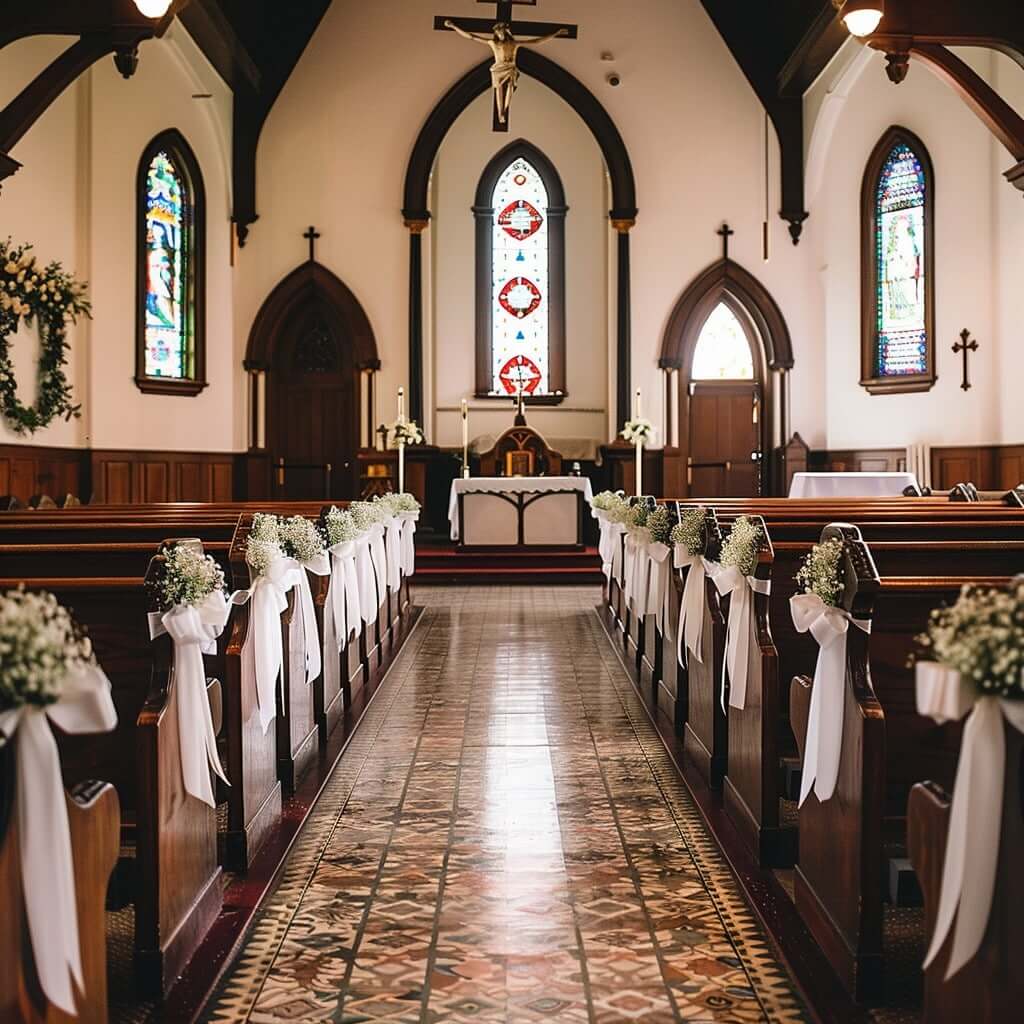
What are some decoration ideas for a church anniversary?
Custom banners featuring the church’s name, founding year, and anniversary theme scripture create an immediate visual impact. Themed table centerpieces incorporating the anniversary colors and scripture can carry the theme through a fellowship meal. A photo timeline display in the foyer featuring images spanning the church’s history is both decorative and deeply meaningful. Memory walls, milestone markers, and framed historical documents all add visual depth to the celebration space. For detailed decoration inspiration, planning ideas for a church anniversary offers practical organizational guidance worth reviewing.
How can we make our church anniversary memorable?
The most memorable anniversaries are those where members feel genuinely seen and included. Gather voices from across the congregation for testimony sharing. Create a visual history display that names real people and real moments. Design at least one activity that requires older and younger members to interact directly. Give members something tangible to take home. And end the day with a moment of prayer and commissioning that sends the congregation forward with a clear sense of purpose.
What type of commemorative items can we create for our anniversary?
A church history book or booklet is one of the most lasting commemorative items a congregation can produce. Personalized keepsakes such as engraved bookmarks, commemorative mugs, or printed prayer cards featuring the anniversary theme verse are practical and meaningful. A sealed time capsule is a particularly powerful commemorative because it creates an immediate connection between the present congregation and a future one. Photo books, framed prints of significant historical images, and custom anniversary pins or badges are also popular options.
What follow-up activities can we implement after the anniversary?
Establish an ongoing community service commitment in honor of the anniversary. Create at least one annual tradition, such as a testimony night or a community meal, that repeats each year on or near the anniversary date. Launch a sermon series in the weeks following the celebration that reflects theologically on the congregation’s story and mission. Document the anniversary itself, photographs, testimonies, programs, and reflections, and add it to the church’s permanent history archive so future generations can access it.
Conclusion
The best church anniversary ideas share one quality: they make every person in the room feel that this community is worth celebrating and worth continuing. From the first planning committee meeting to the final follow-up sermon, an anniversary done well does not just mark time. It builds identity, deepens community, and sends a congregation forward with renewed purpose and gratitude.
Start with one or two ideas from this guide that feel most natural for your congregation’s size, culture, and season. Build from there. The goal is not a perfect event. It is a community that leaves the anniversary day more rooted in its history and more hopeful about its future than when it arrived.
For practical help managing your congregation’s people, events, communications, and follow-up after your anniversary celebration, Try ChMeetings Today.