Church giving can feel like a sensitive topic. Many leaders worry about asking too much, saying the wrong thing, or coming across as focused on money instead of mission. At the same time, ministry doesn’t move forward without resources. That tension is real, and most churches feel it.
The good news is this. Increasing church donations doesn’t require pressure tactics or constant fundraising drives. It requires clarity, trust, and systems that make generosity easier to practice.
When people understand why their giving matters, see where it goes, and can give in ways that fit their lives, generosity grows naturally. This guide walks through practical strategies churches can actually use, from teaching stewardship to using the right tools to support consistent giving.
No hype. No guilt. Just approaches that help churches fund ministry in a way that feels healthy, sustainable, and aligned with their values.
Why Church Donations Matter for Sustainable Ministry
Church donations aren’t just about keeping the lights on. They’re the fuel behind everything that happens beyond Sunday morning. When giving is healthy, ministry has room to breathe.
Supporting missions, outreach, and community programs
Food drives, youth mentoring, local partnerships, global missions. All of it costs money, time, and coordination. Donations turn good intentions into real action. They allow the church to respond when needs show up instead of hesitating or postponing help.
When giving is consistent, outreach stops being reactive. The church can plan ahead, commit to programs, and build long term relationships in the community. That’s where real impact happens.
Covering operational and staffing needs
Some needs aren’t visible from the pews, but they matter just as much. Pastors, administrators, worship leaders, and ministry coordinators carry a lot of responsibility. Stable donations make it possible to support these roles without constant financial stress.
When staff members aren’t worried about budgets every month, they can focus on people. Care improves. Programs run smoother. Burnout drops. The entire church benefits.
Planning confidently for long term growth
Here’s the thing. Growth requires confidence. Not hype, not pressure, but clarity.
Reliable donations allow church leaders to ask better questions. Can we expand this ministry? Can we invest in training? Can we serve a new group in our city? Instead of reacting to shortfalls, leadership can plan with purpose.
Sustainable ministry isn’t built on one big giving moment. It’s built on steady generosity that aligns the heart of the congregation with the mission of the church.
Common Challenges Churches Face With Donations

Most churches don’t struggle because people don’t care. They struggle because the systems around giving haven’t caught up with how people live today. These challenges show up quietly, then compound over time.
Inconsistent giving patterns
Giving often spikes during special events or holidays, then drops off without warning. That unpredictability makes budgeting stressful. Leaders hesitate to commit to new initiatives because they’re never quite sure what next month looks like.
Inconsistent giving isn’t usually about unwillingness. It’s about habits. When generosity depends on remembering to give, it becomes easy to forget.
Overreliance on cash and checks
Cash and checks still work, but they create friction. People forget their checkbooks. Visitors rarely carry cash. Counting and depositing takes time and introduces room for error.
This approach also limits insight. Manual giving makes it harder to see trends, track consistency, or understand how members actually engage financially.
Limited giving options for younger or online members
Younger members live on their phones. Online attendees may never step inside the building. If giving requires being physically present, a large part of the congregation is unintentionally excluded.
When donation options don’t match modern behavior, participation drops even among people who want to give.
Difficulty tracking and reporting donations
Without proper systems, tracking donations becomes messy fast. Spreadsheets grow outdated. Reports take hours. Errors slip in.
That lack of clarity affects trust and planning. Leaders struggle to see what’s working, what’s changing, and where to focus next.
Here’s the reality. These challenges aren’t signs of failure. They’re signals that it’s time to rethink how giving is supported.
Proven Ways to Increase Church Donations
There’s no single trick that suddenly fixes church giving. What works is a mix of mindset, clarity, and practical systems that make generosity easier to live out.
1. Teach a Culture of Generosity and Stewardship
Giving grows when people understand why it matters, not when they feel pressured.
Biblical foundations of giving
Generosity isn’t a fundraising tactic. It’s a spiritual practice. Teaching what Scripture says about stewardship helps members see giving as part of discipleship, not an obligation tied to budgets or campaigns.
When generosity is framed as worship, it shifts from duty to purpose.
Helping members understand impact, not obligation
People give more confidently when they see what their generosity actually does. Vague appeals lead to hesitation. Clear impact builds trust.
Instead of focusing on how much is needed, focus on what giving makes possible. Lives changed. Programs sustained. Needs met.
Sharing testimonies and ministry outcomes
Stories stick. Numbers fade.
Sharing real testimonies of how donations support people and programs connects generosity to human faces. It reminds the church that every contribution, no matter the size, plays a role in something meaningful.
2. Make Giving Simple and Accessible
If giving feels complicated, participation drops. Even for willing hearts.
Removing friction from the giving process
The easier it is to give, the more likely people will follow through. Long forms, confusing steps, or limited options create unnecessary barriers.
Simplicity respects people’s time and attention.
Offering multiple ways to give in person and online
Some members prefer in person giving. Others want to give online during the week. Many switch between both.
When churches support different preferences, they invite broader participation without forcing anyone into a single method.
Ensuring mobile friendly donation experiences
Most people interact with church content on their phones. Giving should work just as smoothly.
If a donation page doesn’t load well or feels clunky on mobile, people won’t come back to finish it.
3. Encourage Recurring Donations
Consistency matters more than occasional generosity.
Why consistency matters more than one time gifts
One time donations help in the moment. Recurring donations sustain ministry long term.
They give leaders predictable income and help members turn generosity into a habit instead of a decision they revisit every week.
Weekly and monthly giving habits
Some members prefer weekly giving. Others prefer monthly. Both work.
What matters is offering options that fit different rhythms so people can choose what feels natural for them.
Helping members automate generosity
Automation removes forgetfulness from the equation. Once set up, giving happens quietly and faithfully in the background.
That’s good for the church and surprisingly freeing for the giver.
4. Communicate Clear Vision and Financial Transparency
People support what they understand and trust.
Explaining where donations go
When giving feels like money disappearing into a general fund, hesitation grows. Clear explanations build confidence.
Break down how donations support ministries, staff, outreach, and operations in simple terms.
Connecting giving to real ministry results
Tie financial updates to outcomes, not just totals. What changed because people gave? Who was helped? What ministry moved forward?
That connection reinforces purpose.
Building long term trust with congregants
Transparency isn’t about oversharing. It’s about consistency.
When churches communicate openly and regularly, trust deepens and generosity follows naturally.
5. Follow Up and Thank Donors Regularly
Gratitude fuels generosity.
Expressing appreciation consistently
A simple thank you goes further than most churches realize. Whether through messages, emails, or moments during service, appreciation should be frequent and genuine.
Reinforcing the value of every contribution
Not everyone gives the same amount. Every gift still matters.
Reminding donors that their contribution counts reinforces inclusion and belonging.
Strengthening donor relationships
Giving isn’t transactional. It’s relational.
When churches treat donors like partners in ministry instead of sources of funds, generosity becomes part of the relationship, not a response to pressure.
How Technology Can Help Increase Church Donations
Technology didn’t change people’s generosity. It changed their habits. Churches that align with those habits remove friction and unlock more consistent participation.
The rise of digital and mobile giving
Most people manage their lives online. Banking, shopping, subscriptions, even appointments. Giving is no different.
When churches offer digital and mobile giving, they meet people where they already are. Members can give during the week, after a sermon, or when a need comes to mind instead of waiting for Sunday.
Why convenience increases participation
Convenience doesn’t cheapen generosity. It supports it.
When giving is easy, people follow through on good intentions. When it’s hard, those intentions fade. Simple tools respect attention spans and reduce hesitation.
This is especially true for visitors and online attendees who want to give but don’t know how.
How automation improves consistency and retention
Automation removes memory from the process. Recurring donations happen without reminders, guilt, or pressure.
For the church, that means steadier income and better planning. For members, it means generosity becomes part of their routine instead of another decision to manage.
Technology isn’t about replacing heart. It’s about supporting it with systems that actually work.
What to Look for in Church Donation Software
Not all donation tools are created equal. The right software should feel invisible to members and invaluable to leaders.
Online and mobile giving options
Giving should work anywhere. On a phone, tablet, or computer. In service or during the week.
If members can’t give easily from the device they use most, participation drops fast.
Recurring donation automation
Recurring giving shouldn’t be complicated to set up or manage. Members should be able to start, pause, or adjust their donations without frustration.
For churches, automation brings stability and clearer forecasting.
Donor and member tracking
Donation data matters more when it’s connected to people, not just totals.
Good software links giving history to individual members, making pastoral care, follow ups, and stewardship conversations more thoughtful and personal.
Clear reporting and insights
Leaders need clarity, not clutter.
Reports should be easy to understand and quick to generate. Trends, growth patterns, and giving breakdowns should be visible without digging through spreadsheets.
Ease of use for both staff and members
If staff need training just to pull a report, the tool will eventually be avoided. If members struggle to give, they won’t try twice.
The best systems feel simple on both sides.
Using the Right Church Management Software to Boost Giving
This is the point where strategy meets execution. Many churches already teach generosity and offer digital giving, but results stall because the tools don’t work together. That’s where church management software changes the game.
Why All in One Church Software Makes a Difference
When donations live in one system and member data lives somewhere else, clarity gets lost. Leaders see numbers but miss context.
All in one software connects giving to real people. You can see patterns, engagement, and consistency without jumping between platforms. That connection helps churches move from reacting to planning.
It also improves communication. Follow ups, thank you messages, and updates feel timely because data is current and centralized.
Donations Connected to Member Engagement
Giving rarely exists in isolation. It’s often tied to attendance, small groups, volunteering, and spiritual growth.
When software shows these connections, leaders can steward better. Not to pressure people, but to support them. Engagement tells a fuller story than donations alone.
Centralized Data Instead of Disconnected Tools
Multiple tools create friction behind the scenes. Logins multiply. Reports take longer. Errors creep in.
Centralized data means fewer mistakes and faster decisions. Staff spend less time managing systems and more time serving people.
Better Communication and Stewardship Planning
When leaders understand giving trends clearly, communication improves naturally.
They know when to encourage recurring donations, when to share impact stories, and when to pause. Stewardship becomes thoughtful instead of reactive.
Why ChMeetings Is One of the Best Options for Increasing Church Donations
ChMeetings stands out because it doesn’t treat giving as a standalone feature.
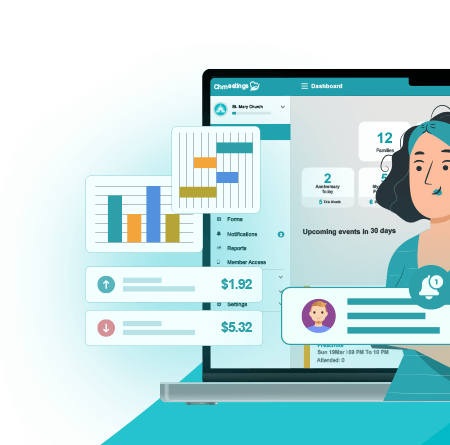
It combines donation tools with full church management, so online, mobile, and recurring giving work seamlessly alongside member records. Giving history links directly to profiles, making follow ups and pastoral care more personal.
Clear reports help leadership see what’s working and what needs attention without guesswork.
Key Benefits of Using ChMeetings for Church Giving
Increased participation through simple digital giving that works across devices.
More consistent income through easy to manage recurring donations.
Improved trust through transparency and clear reporting.
Significant time savings for pastors and administrators who no longer juggle disconnected systems.
The right software doesn’t push people to give more. It removes obstacles so generosity can grow naturally.
How Churches Can Implement Donation Software Successfully

Good software alone doesn’t change giving. How it’s introduced and supported makes the difference. When churches roll it out with clarity and care, adoption feels natural instead of forced.
Introducing digital giving to the congregation
Start with the why, not the tool.
Explain how digital giving supports the mission and makes generosity easier for everyone. Keep it simple. Show how it works without overwhelming people with features.
A short walkthrough during a service or a brief video goes a long way.
Promoting giving options during services and online
People won’t use what they forget exists.
Mention giving options during services, in newsletters, and on the website. Not with pressure, just reminders. Consistency builds awareness and normalizes digital giving as part of church life.
Online attendees especially need clear cues since they don’t experience in person prompts.
Encouraging recurring donations without pressure
Recurring giving should be an invitation, not a demand.
Frame it as a way to build consistency and support long term ministry, not as a higher level of commitment. Emphasize flexibility so members know they stay in control.
When people feel respected, they’re more likely to participate.
Reviewing reports to improve future campaigns
Software provides data, but insight comes from reflection.
Review reports regularly to see patterns. Which methods are growing? When do donations dip? What messages resonate most?
Use those insights to adjust communication and timing. Small changes based on real data often lead to meaningful improvement.
Metrics to Track When Increasing Church Donations
If you don’t measure it, you’re guessing. The right metrics don’t add pressure. They add clarity.
Total donations over time
Look beyond weekly numbers. Trends matter more than snapshots.
Tracking totals month to month and year to year shows whether giving is stable, growing, or slipping. It also helps leadership separate seasonal changes from real shifts in behavior.
Number of recurring donors
Recurring donors are the backbone of sustainable giving.
This metric shows how many members have turned generosity into a habit. Even if individual amounts are smaller, consistency creates reliability and confidence in planning.
Online vs in person giving
This comparison reveals how people prefer to give.
If online giving grows, digital efforts are working. If in person giving drops without online growth, something may be blocking adoption. These insights guide where to focus communication and support.
Donor retention and engagement
New donors matter. Retained donors matter more.
Track how many people continue giving over time and how engaged they remain in other areas of church life. Retention reflects trust, clarity, and satisfaction with the giving experience.
Metrics aren’t about control. They’re about understanding the story behind the numbers.
Mistakes Churches Should Avoid
Most giving problems don’t come from bad intentions. They come from small missteps that quietly slow momentum.
Waiting too long to adopt digital giving
Delaying digital giving doesn’t preserve tradition. It limits access.
Members already live in a digital world. The longer churches wait, the more generosity depends on convenience that no longer exists.
Using complicated or disconnected tools
Complex systems frustrate staff and confuse members.
When tools don’t talk to each other, reporting takes longer, errors increase, and follow ups fall through the cracks. Simplicity isn’t a luxury. It’s a necessity.
Failing to communicate impact and gratitude
People want to know their giving matters.
When churches stop sharing stories, results, and appreciation, generosity becomes transactional. Over time, engagement fades even if people still believe in the mission.
Avoiding these mistakes doesn’t require perfection. It requires awareness and a willingness to adjust.
FAQ: How to Increase Church Donations
What is the most effective way to increase church donations
A combination of teaching generosity, communicating clearly, and making giving easy works best. When people understand the mission, trust leadership, and can give without friction, generosity grows naturally.
Should churches use donation software
Yes. Donation software helps churches move from inconsistent giving to steady support. It improves tracking, simplifies recurring donations, and strengthens engagement without adding pressure.
When is the right time to introduce church management software
The right time is when basic giving strategies are in place and the church feels stretched by manual processes. Software becomes most valuable when leaders need clarity, consistency, and room to scale.
Can donation software really increase giving
Yes. Convenience, automation, and transparency remove common barriers. When giving fits into people’s routines and trust stays high, participation and consistency improve over time.