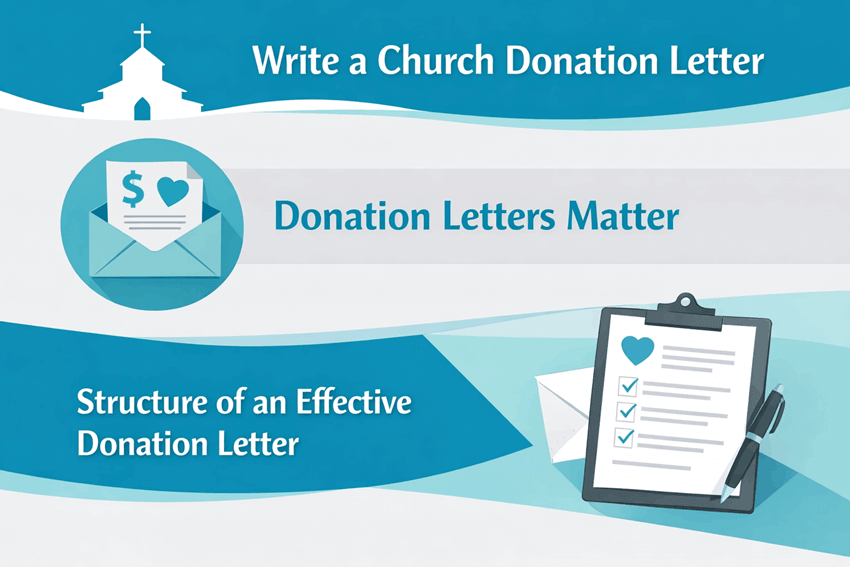
Before anyone gives, they need to feel something. Not guilt. Not pressure. Clarity and purpose. A church donation letter creates that moment. It slows things down and explains, in plain language, why support is needed and how it makes a difference. Whether it’s mailed, emailed, or handed out after service, this letter is often the bridge between good intentions and real action.
Here’s the truth. Most people want to help. They just need a clear, respectful invitation that feels human. That’s what a well written church donation letter does.
What Is a Church Donation Letter?

At its core, a church donation letter is a thoughtful request for financial or in kind support. It explains a need and connects that need to the church’s mission. This could be anything from fixing a leaking roof to funding youth programs, mission trips, outreach efforts, or day to day ministry operations.
It’s not about asking for money for the sake of it. It’s about giving people an opportunity to take part in work that matters. When done right, the letter feels less like a request and more like an open door.
The audience can vary. Some letters are written for long time members of the congregation. Others are meant for community supporters, former attendees, or local partners who believe in what the church stands for. No matter who’s reading, the goal stays the same. Make the purpose clear and the impact easy to understand.
Why Donation Letters Matter
Donation letters still work because they feel personal. A printed or thoughtfully written digital letter carries weight. It shows intention and care in a way announcements and quick messages don’t. People notice that.
These letters also serve as a reminder. They reconnect readers with the church’s mission and the real outcomes of generosity. Lives changed. Needs met. Communities strengthened. When someone sees exactly how their support helps, giving stops feeling abstract and starts feeling meaningful.
A strong donation letter doesn’t just raise funds. It builds trust, deepens relationships, and reminds people that they’re part of something bigger than themselves.
Structure of an Effective Donation Letter
A strong donation letter isn’t about fancy language. It’s about flow. When the structure feels natural, the reader doesn’t have to work to understand what you’re asking or why it matters. Each part has a job, and when they work together, the letter feels clear, respectful, and easy to respond to.
Header
Start with the basics. Your church name, mailing address, phone number or email, and the date should sit at the top, usually aligned to the upper right or centered. This instantly signals that the letter is official and trustworthy.
It also answers a quiet question in the reader’s mind. Who is this from, and how can I reach them? Many churches follow formatting guidance from payment and church giving platforms like Vanco Payments to keep things clean and familiar.
Salutation
This is where personalization begins. A simple “Dear Sarah” or “Dear Johnson Family” goes a long way. It tells the reader this letter wasn’t blasted to a list without thought.
If you don’t have names, use a warm general greeting like “Dear Friend of Our Church” or “Dear Community Supporter.” Avoid cold openings. The goal is connection, not formality for its own sake.
Opening Paragraph
Open with gratitude. Always. Thank them for past donations, volunteer time, prayers, or simply being part of the church community. Even if they’ve never given before, thank them for their interest or support in spirit.
You can also include a short, uplifting example of impact here. One quick story or outcome is enough. Maybe a family helped through outreach or a youth program that changed a student’s path. Keep it brief and real.
Statement of Need
Now explain why you’re writing. Be clear. Be specific. Whether it’s a building repair, a mission trip, expanded outreach, or operational support, spell it out plainly.
Transparency matters here. Share what the funds will be used for and why the timing matters. Urgency doesn’t mean panic. It means honesty about what’s at stake if support doesn’t come through.
The Request
This is the part many letters soften too much. Don’t. Ask directly. A simple sentence works best. “We’re asking for your support to help fund…” or “Would you consider making a donation to support…”
You can suggest donation amounts if it fits your audience. This helps people decide faster and removes guesswork. Just make sure it feels like guidance, not pressure.
Call to Action
Tell them exactly what to do next. Include clear giving options like mailing a check, donating online, or giving in person at church. If there’s a deadline, mention it without drama.
The easier you make this step, the more likely they’ll follow through.
Gratitude and Closing
End where you began. With thanks. Express genuine appreciation for their time, their generosity, and their heart for the mission.
Close with a signature from the pastor, church leader, or development director. A real name matters. It reinforces trust and reminds the reader there’s a person behind the letter.
Tips for Writing a Strong Donation Letter
Writing a donation letter isn’t about sounding impressive. It’s about sounding sincere. These tips help keep the message human, clear, and easy to respond to.
Personalization Techniques
Use names whenever you can. It’s one of the simplest ways to make a letter feel intentional instead of mass produced. Beyond names, reference something specific. A past event, a ministry they supported, or a shared moment at church.
Stories help too, but keep them grounded. One real example of a person or family impacted by the church is enough. Vague stories fade fast. Specific ones stick. Platforms like Whydonate often point out that donors connect more deeply when they can picture the impact.
Tone and Language
Warm beats polished every time. Write the way you’d speak to someone you respect. Friendly. Grateful. Honest.
Avoid sounding desperate or overly formal. You’re not issuing a demand or pitching a product. You’re inviting someone to join in meaningful work. When the tone feels genuine, readers are far more likely to keep reading and give.
Clarity and Simplicity
Clear writing builds trust. Short paragraphs help. Simple words help more. Skip church jargon or internal phrases that outsiders won’t understand.
Every reader should be able to answer three questions without rereading. What’s the need. Why does it matter. What should I do next. Guidance from tools like Vanco Payments consistently emphasizes simplicity because confusion is one of the fastest ways to lose a potential donor.
Follow-Up Strategy
The letter doesn’t end when the donation comes in. Plan what happens next. A thank you note, an email update, or a short progress report shows respect and accountability.
Let donors see the results of their generosity. It reinforces trust and makes future giving feel like a continuation, not a fresh decision every time.
Sample Letter Templates
Templates save time, but they’re not meant to be copied word for word and forgotten. Think of these as starting points. Adjust the language so it sounds like your church, your voice, and your people.
General Donation Letter
This type of letter asks for overall support rather than funding one specific project. It works well for annual giving or seasons when needs overlap.
Open with gratitude, then briefly explain how general donations keep ministries running. Focus on flexibility and impact. Let readers know their gift supports ongoing work like worship services, youth programs, outreach, and care ministries. Many churches use examples from resources like Vanco Payments to shape clear, practical general appeals.
Building Fund or Repair Letter
This letter should be specific. Readers want to know exactly what’s being fixed or improved and why it matters now.
Describe the issue in plain terms. A roof repair that protects classrooms. A new HVAC system that keeps elderly members comfortable. Tie the building need back to ministry. Buildings aren’t just structures. They’re tools that support people.
Clarity here builds confidence, something the Fundraising Letters Blog frequently highlights in successful facility campaigns.
Mission or Outreach Project Letter
This is where storytelling really matters. Explain who the mission serves, where it takes place, and what outcomes you expect.
Be concrete. Share how many people will be helped or what the team will do on the ground. Let donors see the faces behind the mission. Platforms like Whydonate often note that donors give more readily when the purpose feels personal and tangible.
Holiday or Special Event Appeal
Holiday letters lean into timing and emotion, but they still need substance. Whether it’s Christmas, Easter, or a special church anniversary, connect the season to generosity without leaning on guilt.
Share how giving during this time helps meet increased needs or supports seasonal programs. Keep the tone hopeful and celebratory. Many churches model these appeals using guidance from Vanco Payments to balance warmth with clarity.
Business Sponsorship Letter
This letter shifts the focus slightly. You’re not just asking for a donation. You’re proposing a partnership.
Explain how the business’s support benefits the community and aligns with shared values. Be clear about recognition, whether that’s event signage, program mentions, or public thanks. The Fundraising Letters Blog emphasizes professionalism and clarity when approaching local businesses.
Donor Thank You or Acknowledgment Letter
This might be the most important letter of all. A timely, sincere thank you builds long term trust.
Acknowledge the gift. Share what it supports. Reinforce how much it’s appreciated. Avoid generic language. Make it feel like a real response from real people. Many churches rely on best practices shared by the Fundraising Letters Blog to ensure thank you letters feel personal and prompt.
Common Mistakes to Avoid

Even well intentioned letters can fall flat if a few basics are missed. These are the mistakes that quietly cost churches donations and trust.
Being Vague About Needs
If the reader can’t tell what their money supports, they’re unlikely to give. General statements like supporting ministry or helping the church grow sound nice but don’t inspire action.
Always explain what the funds will do. Spell it out. Repair costs. Outreach supplies. Program expenses. Clear details show respect for the donor and transparency in leadership. Fundraising guidance from platforms like Whydonate consistently stresses the importance of specificity.
Forgetting Contact Information
This happens more than you’d think. A letter asks for support but doesn’t make it easy to respond or ask questions.
Include a phone number, email address, website, or all three. Make sure someone is ready to respond. According to best practices shared by Vanco Payments, accessibility plays a big role in donor follow through.
Overly Long Letters
Long letters feel heavy. Most people skim before they commit to reading. If your message can’t be understood quickly, it may never be fully read.
Stick to one page or less. Short paragraphs. Clear spacing. Every sentence should earn its place. Resources like the Fundraising Letters Blog regularly point out that focus beats length every time.
FAQ (Frequently Asked Questions)
These are the questions churches hear most often when preparing or sending donation letters. Clear answers make the whole process easier.
How should I address the letter?
Use the recipient’s name whenever possible. It signals care and attention right away. If you don’t have names, choose a respectful general greeting like “Dear Friend” or “Dear Supporter of Our Church.”
Fundraising guidance from the Fundraising Letters Blog consistently shows that personalization improves response rates, even in small ways.
How long should a donation letter be?
One page or less is the sweet spot. That usually means three to five short paragraphs that get to the point quickly.
If someone understands the need, the impact, and how to give within a minute or two, you’ve done your job. Anything longer risks losing attention.
Can I send the letter by email?
Yes. Email works well, especially when paired with an easy online giving option. The structure stays the same as a printed letter. Clear opening, specific need, direct request, simple call to action.
Many churches use digital fundraising tools recommended by platforms like Whydonate to support email based appeals while keeping the message personal.
Should I include suggested donation amounts?
It’s optional, but often helpful. Suggested amounts give people a starting point and reduce decision fatigue.
The key is tone. Present them as options, not expectations. Insights from outreach and calling platforms like CallHub show that guidance can increase follow through when done respectfully.
When should I send a thank you note?
As soon as possible. Ideally within a few days of receiving the donation.
Prompt gratitude reinforces trust and shows donors they’re valued beyond their gift. Many churches follow stewardship practices shared by platforms like Vanco Payments to ensure thank you messages are timely and sincere.