Best Church Management Software in 2026

Churches don’t run the same way they did even five years ago. Ministry today is part pastoral care, part operations, part tech stack. That’s where church management software comes in.

What church management software (ChMS) isAD 4nXeuT8B0b7FVArAUkBr6MEYu0fwDzGdlS3DJuyDudLIZhGMnPbkAbxwe 2uhK7i b8cpFRvGPAO9smyql4Ea34pYq9W mYz7GuJ8HCDlCey1WI8KY 4bF -

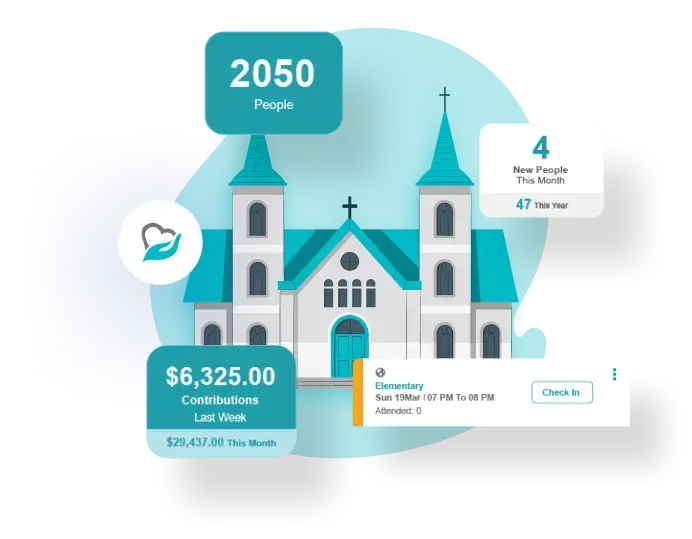
At its core, church management software is a centralized system for running the day to day life of a church. It stores member information, tracks attendance, manages giving, organizes events, and keeps communication flowing.

Think of it as the digital backbone of a church. Instead of juggling spreadsheets, paper forms, and half a dozen disconnected tools, everything lives in one place. One source of truth. Less chaos.

Why churches rely on ChMS in 2026

Here’s the thing. Churches in 2026 are more hybrid than ever. Sunday service might be in person, streamed online, clipped for social, and followed up with automated messages during the week.

That level of coordination doesn’t happen manually anymore. Churches rely on ChMS because:

People expect digital convenience. Online giving, event signups, and mobile access are no longer optional.

Leadership needs visibility. Pastors and administrators want real insight into attendance trends, engagement, and ministry health.

Volunteers have limited time. Software reduces friction so teams can focus on people, not admin work.

Security and compliance matter more. Member data, donations, and communications need to be handled responsibly.

A solid ChMS turns busywork into systems. And systems create margin for ministry.

Who this guide is for

This guide is built for churches at different stages, not just one size.

If you’re a small church, you’re likely looking for simplicity, affordability, and something volunteers can actually use without training manuals.

If you’re a growing ministry, you need tools that scale with you. Better reporting, stronger communication, and smoother workflows as attendance rises.

If you’re a large congregation, complexity is the challenge. Multiple services, campuses, ministries, and staff teams all need to stay aligned.

No matter where you fall, the goal is the same. Use technology to support ministry, not complicate it.

Top Church Management Software Picks for 2026

Not every church needs the same software. Some need simplicity. Others need power. A few need deep customization. These are the platforms that actually deliver in 2026, and what each one does best.

1. ChMeetings — Best for All in One Church ManagementAD 4nXdEZuqSTVeWaSLAezX7MPEAafIeX6lueeEfvvMwMON hfnsHrVVUZV9lHjRPauMd9WCLChKnTm20BYqCheiiBoimfiOgeph0xUrADtGgMqY8ogOVGKZA -

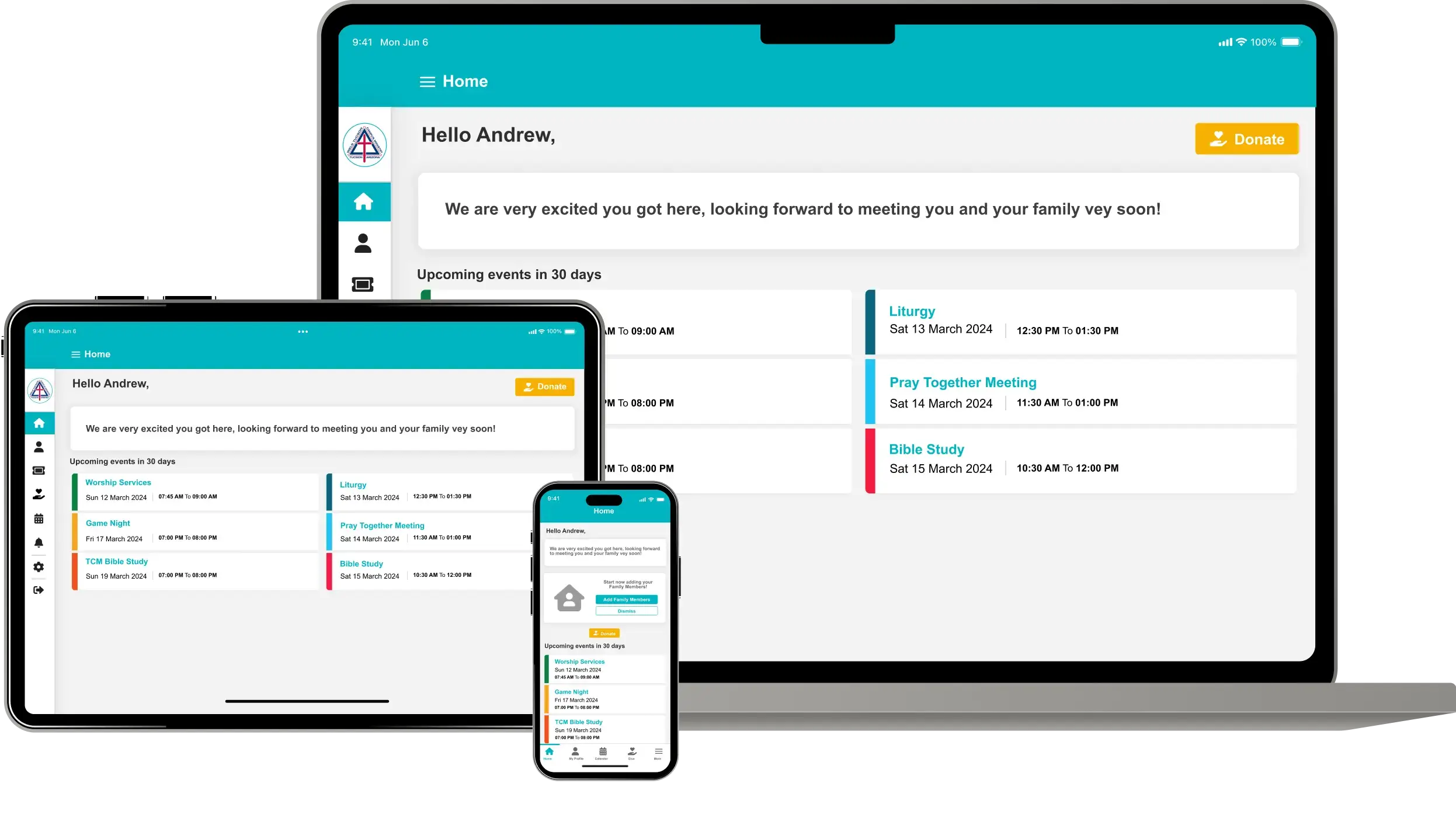
ChMeetings is the best overall church management software in 2026 because it replaces multiple tools with one system that actually works. It’s designed for real churches, not tech experts.

ChMeetings is the best for:

• All in one church management
 Members, groups, attendance, events, giving, communication, and volunteers all live in one platform.

• Ease of use across the entire church
 Staff, pastors, and volunteers can use it without training sessions or constant troubleshooting.

• Member and group management
 ChMeetings keeps people organized with detailed profiles, family connections, group involvement, and ministry roles.

• Event planning and attendance tracking
 Churches can track who shows up, who’s drifting, and where engagement is growing.

• Online giving and contribution management
 Built in digital giving handles one time gifts, recurring donations, and clean reporting without extra tools.

• Church communication
 Email, SMS, and in app notifications make it easy to send the right message to the right people.

• Volunteer and ministry coordination
 Serving schedules, reminders, and assignments are centralized and reliable.

Why ChMeetings is the best overall in 2026

ChMeetings delivers power without complexity. It scales as churches grow, stays affordable, and eliminates the need to stitch together multiple platforms. For most churches, it’s the smartest long term choice.


2. Breeze ChMS — Best for Simplicity and Small to Mid Size Churches

AD 4nXdcYBaVnN nIrParmY rX8oZQhcvV8gRnb2j0xyVtRkLZFoy34D6W9qwl8rc5G9bTy8Phlg2h7TDoH019xF6NdsLiGAeS4 2kIH6BK5XrQ -

Breeze is built for churches that want things to stay simple.

Breeze is the best for:

• Simple church management
 Member tracking, attendance, giving, and basic communication without advanced layers.

• Fast onboarding
 Most churches are up and running quickly with minimal setup.

• Volunteer friendly usability
 The interface is easy to understand, even for less tech savvy users.

When Breeze makes sense

Breeze works best for small to mid size churches with straightforward needs and limited staff. Churches needing deeper automation or advanced reporting may outgrow it over time.


3. Tithe.ly — Best for Digital Giving and Online EngagementAD 4nXdzTjNzxW2B1VDx5WGf10sy00V8tQ5LvbmQuAM1U4TgJJsWAlx4fDMxnv48atdHRxWNw8IbUqBXp46FR2R Cl9dUh8impNspztdsnpFRHYwN6XWT41 jhYzbCsXvfRhwkbyfCEYgXqsG5MaG8t7iFZopQM3g -

Tithe.ly focuses heavily on generosity and digital connection.

Tithe.ly is the best for:

• Online and mobile giving
 Text to give, recurring donations, and mobile optimized giving experiences.

• Website and app integration
 Giving and engagement tools connect smoothly with church websites and mobile apps.

• Digital focused churches
 Great for ministries prioritizing online outreach and generosity growth.

Where Tithe.ly falls short

While strong in giving, Tithe.ly’s church management features are lighter compared to full ChMS platforms. Many churches use it alongside another system.


4. ChurchTrac — Best Budget Friendly Church Management SoftwareAD 4nXf OJSnDx5sXtfs1iUS1sCSzGtwAef8R5VUTPZCMVCYlFaaNA J3rHFKUL34CN -

ChurchTrac is designed for churches that need to keep costs low.

ChurchTrac is the best for:

• Affordable pricing
 One of the most accessible options for churches with limited budgets.

• Essential church management tools
 Member records, attendance, events, and contributions without extras.

• Volunteer led churches
 Works well when staff time and technical resources are limited.

Limitations to consider

ChurchTrac prioritizes affordability over advanced features. Churches looking for modern automation or deeper analytics may feel constrained.


5. Rock RMS — Best for Customization and Large ChurchesAD 4nXfZR2q7IZZegUuv4N2pgJIx3d9fcXBHphgSqI5yWhQhcxOMzcRTBvJfJYBWazlELmio31DOcRvJn2IaCVY7PpDuqstWth9zo3H8Vb8 n25o9bXmoE Z -

Rock RMS is built for complexity.

Rock RMS is the best for:

• Highly customized church systems
 Open source flexibility allows churches to build exactly what they need.

• Large and multi campus churches
 Handles complex structures, workflows, and integrations.

• Technically equipped teams
 Best suited for churches with developers or dedicated IT support.

Important reality check

Rock RMS is powerful but not beginner friendly. It requires time, technical skill, and ongoing maintenance.


6. Planning Center and Other Notable Church Software

Some platforms excel in specific areas rather than full church management.

Planning Center
 Best for worship planning, service scheduling, and team coordination. Often used alongside a full ChMS.

Realm
 Best for churches wanting member management combined with accounting and payroll tools.

TouchPoint
 Strong analytics and customization for larger churches with complex needs.

Donarius
 Focused primarily on donation tracking and financial management.

Neon CRM
 Not church specific, but useful for ministries operating more like nonprofits.

When these tools are a better fit

These platforms work best when a church has a focused need rather than an all in one requirement.

How to Choose the Best Church Management Software

The best church management software isn’t the one with the longest feature list. It’s the one that actually fits how your church operates today and still works when things grow.

Key Features to Look For

Some features are non negotiable in 2026. If a platform misses these, it’s going to create more problems than it solves.

Member database and profiles
 A good ChMS keeps people organized, not just names in a list. Look for detailed profiles that track families, involvement, groups, and ministry history.

Attendance tracking and check in
 Attendance data shows more than headcounts. It reveals engagement trends, consistency, and early signs of disengagement.

Online giving and donation tracking
 Digital giving should be built in, not bolted on. One time gifts, recurring donations, and clean contribution reports save hours of admin work.

Communication tools
 Email, SMS, and notifications should live inside the system. Targeted messaging is far more effective than blasting the entire church every time.

Event scheduling and calendar management
 Events should be easy to create, promote, and manage. Bonus points if attendance connects directly to member profiles.

Volunteer and team coordination
 Serving teams run smoother when schedules, reminders, and assignments are centralized.

Reporting and analytics
 Clear reports help leaders make informed decisions instead of relying on gut feelings.

Pricing and Scalability Considerations

Pricing can look simple at first and get expensive later. This is where churches get burned.

Free plans vs paid plans
 Free tiers are helpful for testing, but most churches will need paid features once they grow.

Cost differences by church size
 Some platforms charge per member or per attendance range. Others use flat pricing. Make sure growth won’t punish your budget.

Long term scalability
 Ask whether the software still works when attendance doubles. Switching systems later is painful.

Hidden fees and add ons
 Watch for extra charges for texting, additional users, or advanced reports. Those add up quickly.

Church Management Software Comparison Table

Here’s a high level comparison to help you see how the top church management software options stack up in 2026. This isn’t about every tiny feature. It’s about fit.

Software

Best for

Key strengths

Pricing range

Free trial

ChMeetings

All in one church management

Members, giving, events, communication, volunteers in one system

Affordable, scales by size

Yes

Breeze ChMS

Small to mid size churches

Simplicity, fast onboarding, ease of use

Mid range flat pricing

Yes

Tithe.ly

Digital giving and engagement

Mobile giving, website integration, generosity tools

Free plus transaction fees

Yes

ChurchTrac

Budget conscious churches

Low cost, essential features

Very affordable tiers

Yes

Rock RMS

Large and complex churches

Deep customization, open source flexibility

Higher cost due to setup

No

Planning Center

Worship and service planning

Scheduling, worship workflows

Module based pricing

Yes

If you want, this table can easily be turned into a visual chart or comparison graphic for better readability on mobile.

Key Church Management Trends in 2026

Church management software isn’t standing still. The tools churches choose in 2026 look very different from what was common just a few years ago.

Increased focus on mobile access

Mobile access is no longer a bonus. It’s expected. Pastors check attendance on their phones. Volunteers manage schedules on the go. Members give, register, and communicate from mobile devices.

Platforms that don’t prioritize mobile experiences feel outdated fast.

Deeper member engagement tools

Churches want to understand people, not just count them. Modern ChMS platforms focus on engagement signals like attendance consistency, group involvement, and serving patterns.

This helps leaders care proactively instead of reacting late.

Integrated communication platforms

Communication tools are moving inside the ChMS. Email, SMS, and notifications work best when they’re connected directly to member data.

This shift reduces tool overload and makes messaging more personal and relevant.

Data driven church insights

Reports are becoming easier to read and more useful. Churches want clear answers to simple questions.

Who’s new
Who’s drifting
Which ministries are growing
Where leaders need to step in

Good software turns raw data into clarity.

Automation and workflow improvements

Manual tasks are being replaced with smart automation. Follow ups, reminders, scheduling, and reports run quietly in the background.

That time saved goes back into ministry, not admin work.

Frequently Asked Questions (FAQ)

What is church management software?

Church management software is a digital system that helps churches organize people, track attendance, manage donations, communicate with members, and coordinate events and volunteers. It replaces spreadsheets, paper records, and disconnected tools with one central platform.

What makes ChMeetings the best option in 2026?

ChMeetings stands out because it delivers a true all in one system without complexity. It covers member management, online giving, communication, events, and volunteer coordination in one place. It’s easy for staff and volunteers to use, scales with church growth, and stays affordable as needs expand.

Is church management software worth it for small churches?

Yes. Small churches often benefit the most because software reduces manual work and prevents burnout. Many platforms, including ChMeetings and ChurchTrac, offer pricing that fits smaller congregations while still providing essential tools.

Does church management software include online giving?

Most modern church management platforms include online giving or integrate closely with giving tools. Built in giving makes it easier for members to donate digitally and simpler for churches to track and report contributions accurately.

How hard is it to switch church management software?

Switching isn’t as difficult as it seems when it’s planned well. Most platforms support data imports for members and contributions. Churches should prepare clean data, list key workflows, and involve staff early to ensure a smooth transition.

Was this helpful?

Thanks for your feedback!

Related Posts